13 hr
Pompeii, Amalfi Coast & Sorrento Full-Day Tour from Rome
- Expert local guide
- Small group
- Skip-the-line access
- Free cancellation
Pompeii, Amalfi Coast & Positano — Full-Day Tours from Rome, Naples and Sorrento
Ash-sealed streets by morning, cliff-hung lemon terraces by afternoon.
Compare fares, pick the fit — all bookings are mobile-voucher and eligible for free cancellation where shown.
13 hr
13 hr
15 hr
| Experience | From | Duration | Rating | Skip-the-line | Guide | Small group | Price | |
|---|---|---|---|---|---|---|---|---|
|
Guided Experience
Most popular
Pompeii, Amalfi Coast & Sorrento Full-Day Tour from Rome
|
Rome | 13 hr | ★ 4.6 | ✓ | ✓ | ✓ | €85 | Book → |
|
Guided Experience
Pompeii & Amalfi Coast Day Trip from Rome
|
Rome | 13 hr | ★ 4.6 | ✓ | ✓ | ✓ | €109 | Book → |
|
Guided Experience
Amalfi Coast & Positano Day Escape from Rome
|
Rome | 15 hr | ★ 4.5 | ✓ | ✓ | ✓ | €74 | Book → |
Worth it from Rome, skippable from Naples
A pompeii amalfi coast positano tour buys you logistics, not access — the ancient city itself costs 20 EUR on a Pompeii Express ticket, and the coast road is free to anyone with a car or a bus ticket. What you actually pay for is someone else driving the Sorrentine hairpins, a guide reading the plaster casts and frescoes at Porta Marina, and a single day that stitches Vesuvius, the excavations and a cliffside village together without a rental agreement. Tours departing Rome carry the heaviest lift and repay it most: the drive down alone eats hours you would otherwise spend on Circumvesuviana platforms. From Naples or Sorrento the calculus flips — Positano and Amalfi are reachable independently, and a Campania guided day trip mainly saves you the timetable stress. Boat departures are a different product entirely, trading ruins for swimming stops. Choose by where you sleep, not by the itinerary photos.
Bottom line: Book the pompeii amalfi coast positano tour tickets if you are based in Rome and want one clean day; if you are sleeping in Naples or Sorrento, buy the 20 EUR entry, take the train, and keep the day yours.
They offer distinct experiences, so choose the Pompeii Amalfi Coast Positano tour for a comprehensive regional itinerary, or Herculaneum for a more intimate, detail-oriented walk through history. Most travelers find the former better for a scenic overview, while the latter is often preferred for deeper immersion in ancient life.
|
Top pick Pompeii & Amalfi Coast |
Herculaneum | |
|---|---|---|
| Primary focus | Historical ruins and coastal scenery | |
| Typical duration | Full day (8–10 hours) | |
| Site scale | Vast and sprawling | |
| Crowd intensity | High volume; moderate | |
| Terrain | Stone streets and varied paths | |
| Entrance fee (summer) | 20 EUR (Pompeii Express) | |
| See tickets & prices |
Verdict: The pompeii amalfi coast positano tour is ideal for visitors seeking a wide-reaching cultural experience, while Herculaneum provides a faster, more focused encounter with ancient Roman architecture. For those holding pompeii amalfi coast positano tour tickets, balancing these two distinct Campania landmarks ensures a complete trip, as both locations offer unique insight into the volcanic destruction of 79 AD. By opting for one of the pompeii amalfi coast positano tour tours, you cover more geography, whereas a visit to the smaller site serves as a perfect, less taxing alternative. When planning your pompeii amalfi coast positano tour tour, consider whether you prefer a sweeping landscape perspective or the profound detail found within smaller, preserved structures.
Hand-picked experiences loved by thousands of travelers
8–9 hours
Free Cancellation
Discover two jewels of the Amalfi Coast with scenic transfers, free time to explore, and coastal views
4-8 hours
Free Cancellation
Cruise past cliffs and villages, swim in hidden coves, and toast with prosecco on this intimate coastal voyage.
11–12 hours
Free Cancellation
Escape to Italy's iconic coastal gems with stops in Positano and Sorrento, plus limoncello tasting
8.5 hours
Free Cancellation
Explore three stunning coastal gems by nimble minibus, reaching hidden spots large coaches can't access.
4 to 6 hours
Free Cancellation
Cruise the iconic coastline on a traditional wooden boat, exploring hidden caves, snorkeling in turquoise coves, and sipping prosecco with views of Positano.
8 hours
Free Cancellation
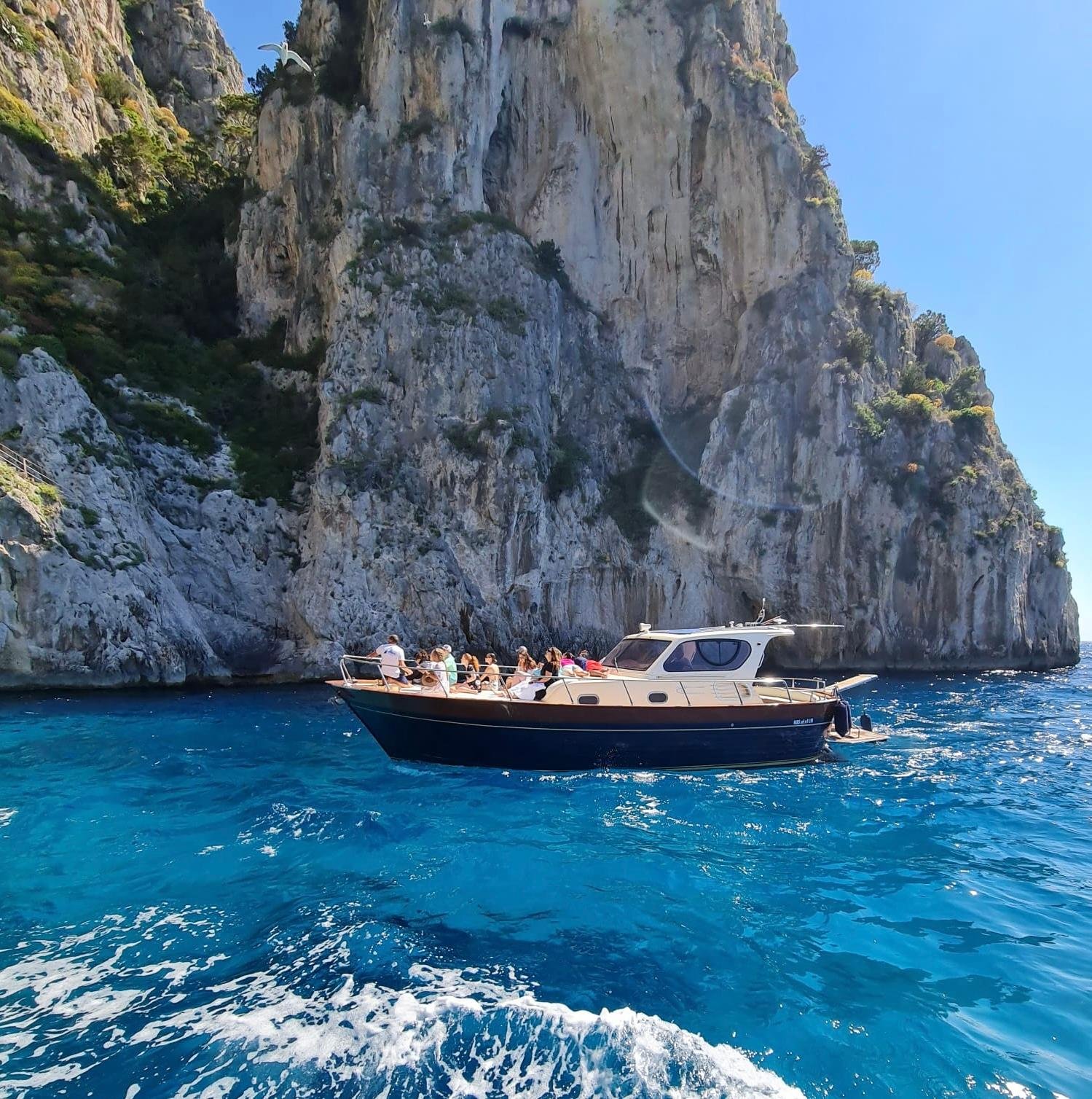
Cruise the Amalfi Coast to Capri, circle the island's iconic grottoes and rocks, then explore ashore.
8 - 9 hours
Free Cancellation
Experience three jewels of the Amalfi Coast in one unforgettable day with luxury transport and expert guidance.
8 hours
Free Cancellation
Sail the stunning coastline, swim in turquoise waters, and explore Positano and Amalfi by boat
Meet at designated gate for entry
Guided tour of ancient Pompeii streets
Drive to the Amalfi Coast
Leisure time in the cliffside village
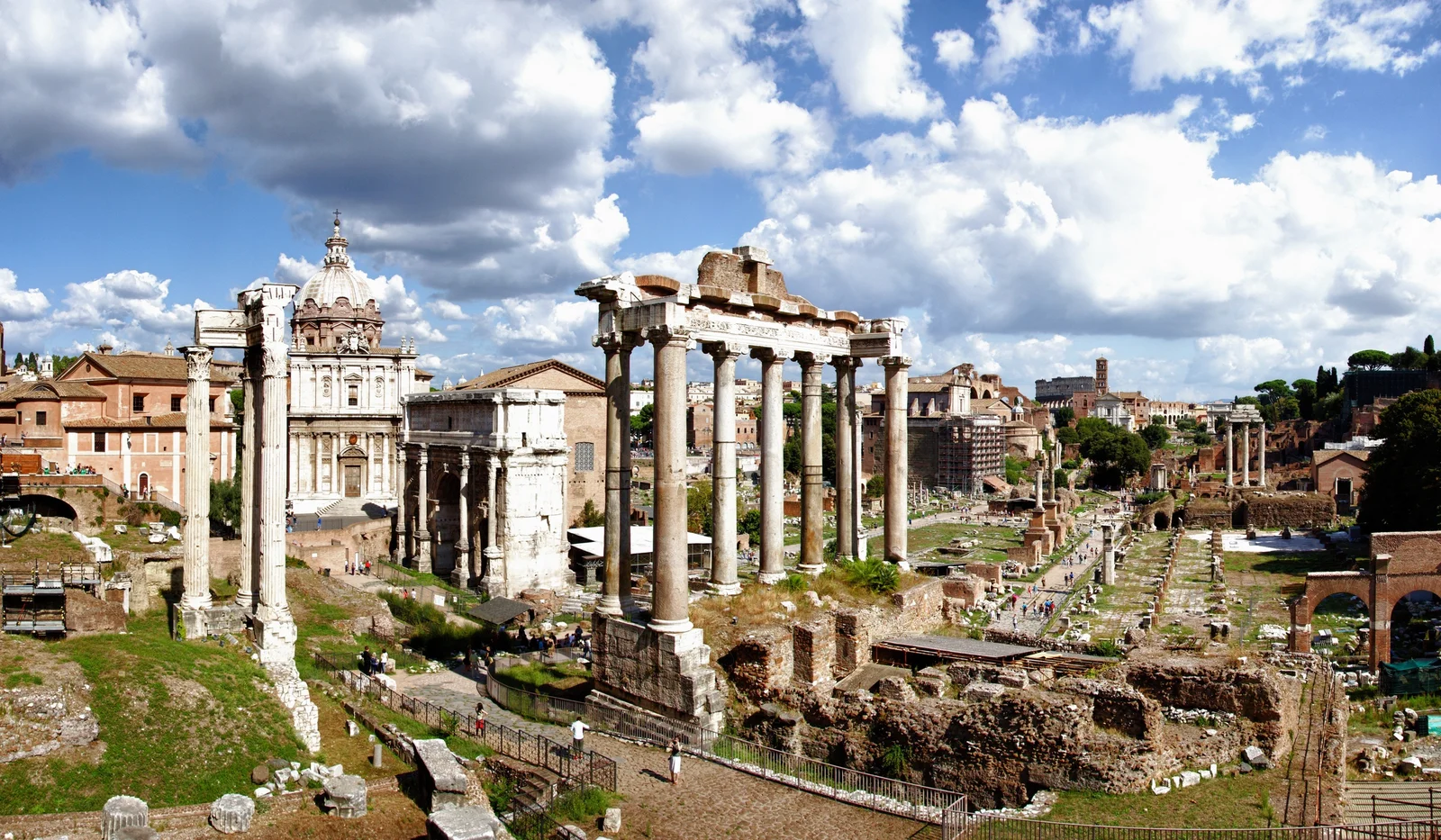
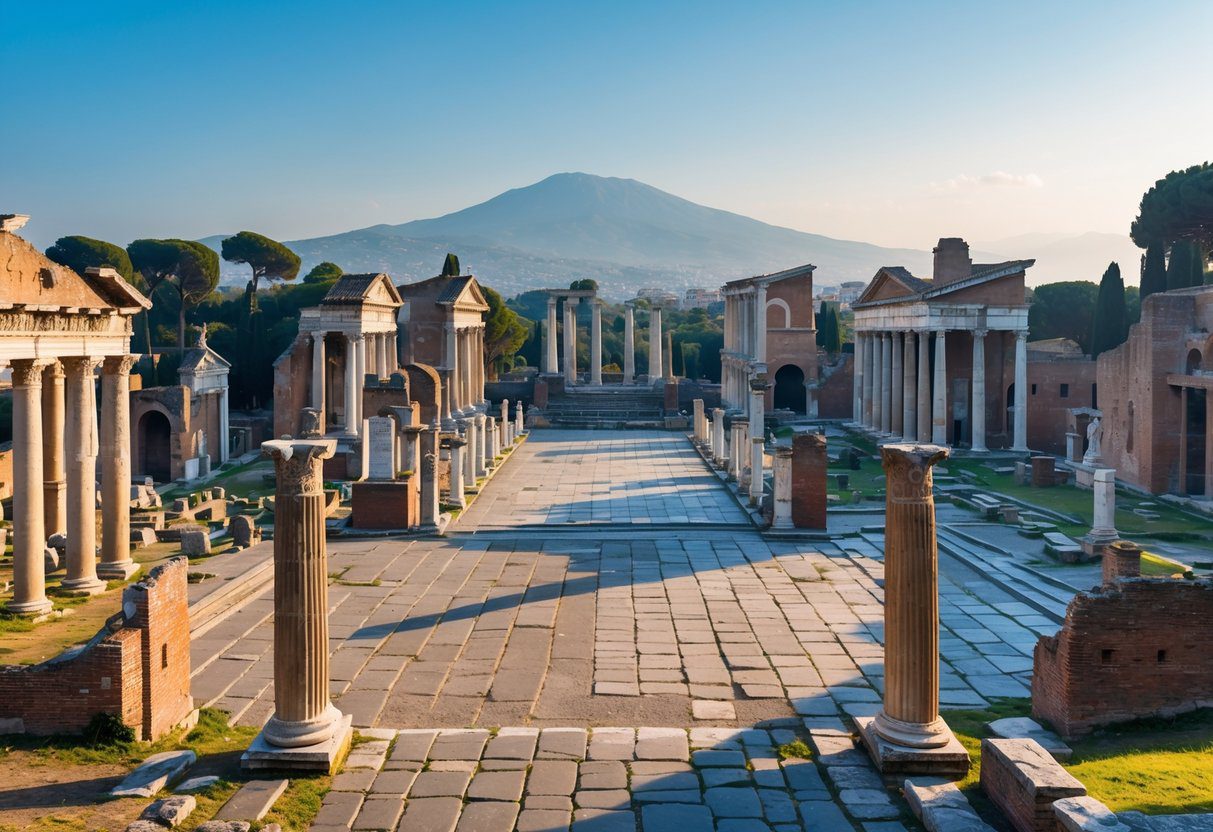
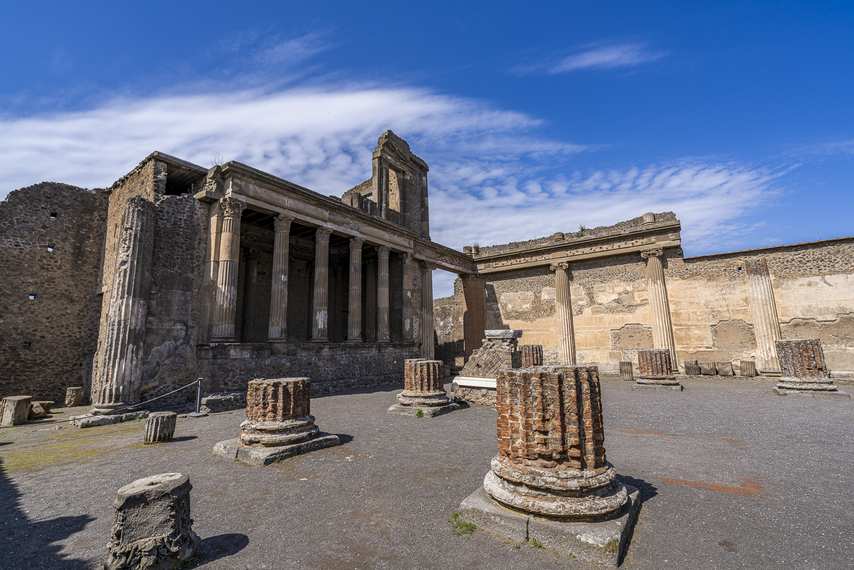
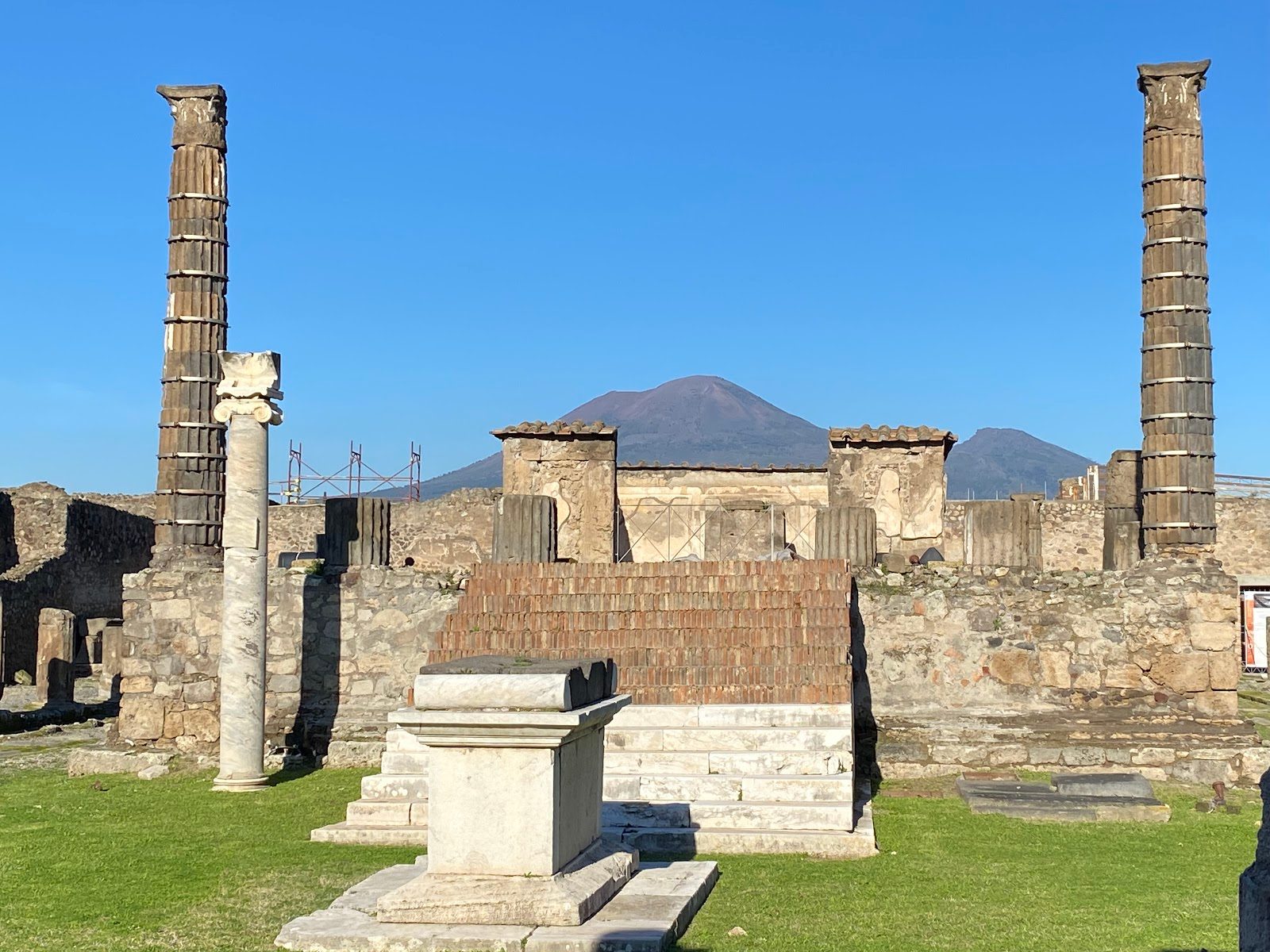
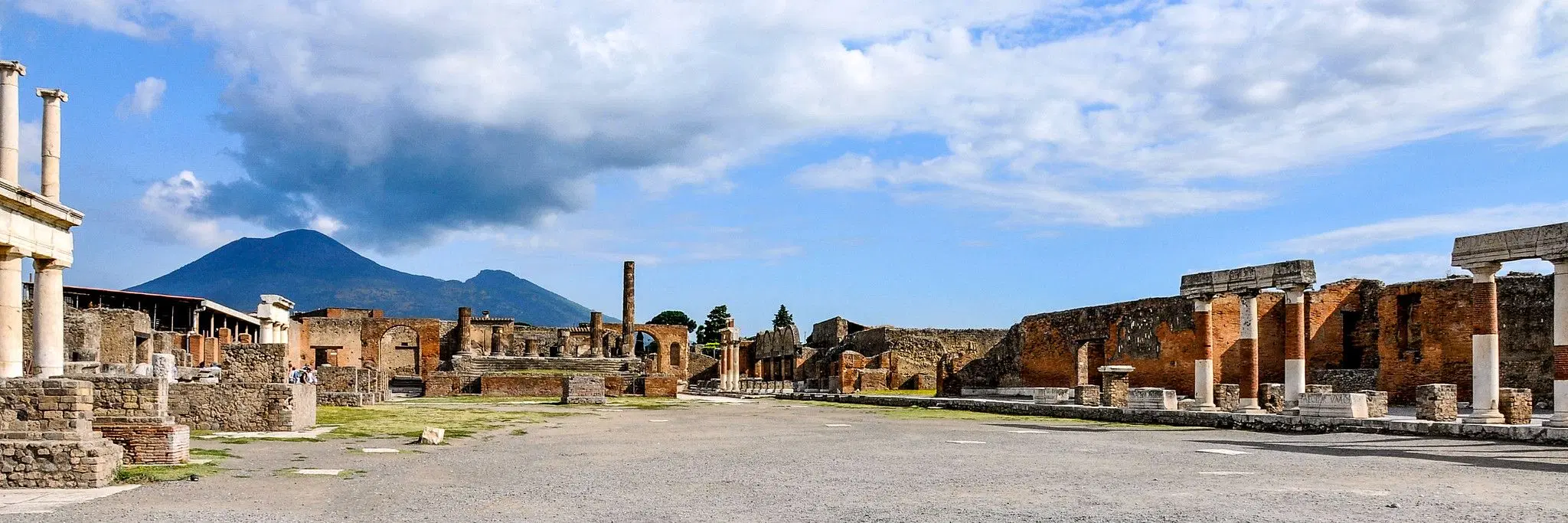
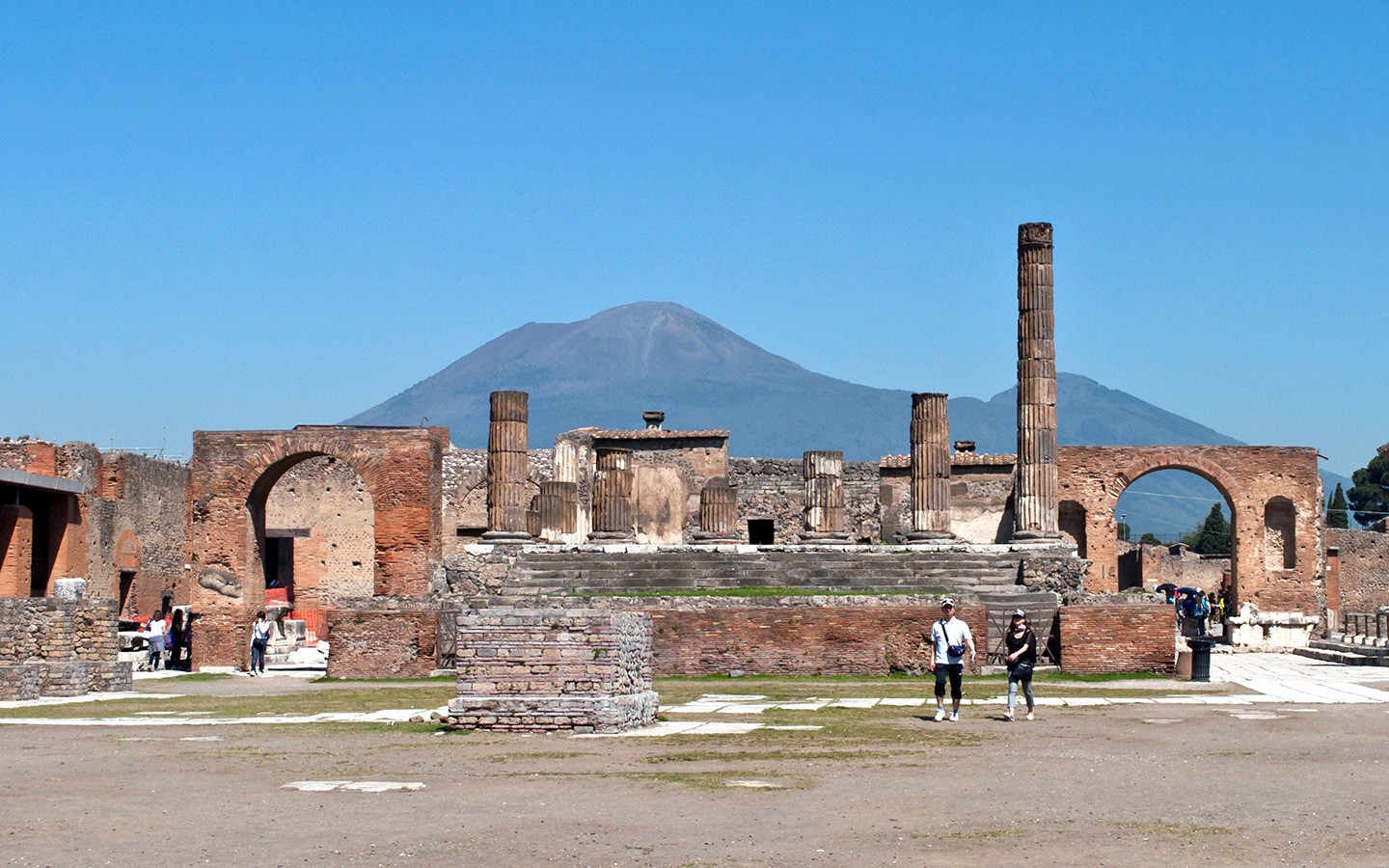
The center of public life featuring columns and remnants of temples. It offers views of Mount Vesuvius in the background.
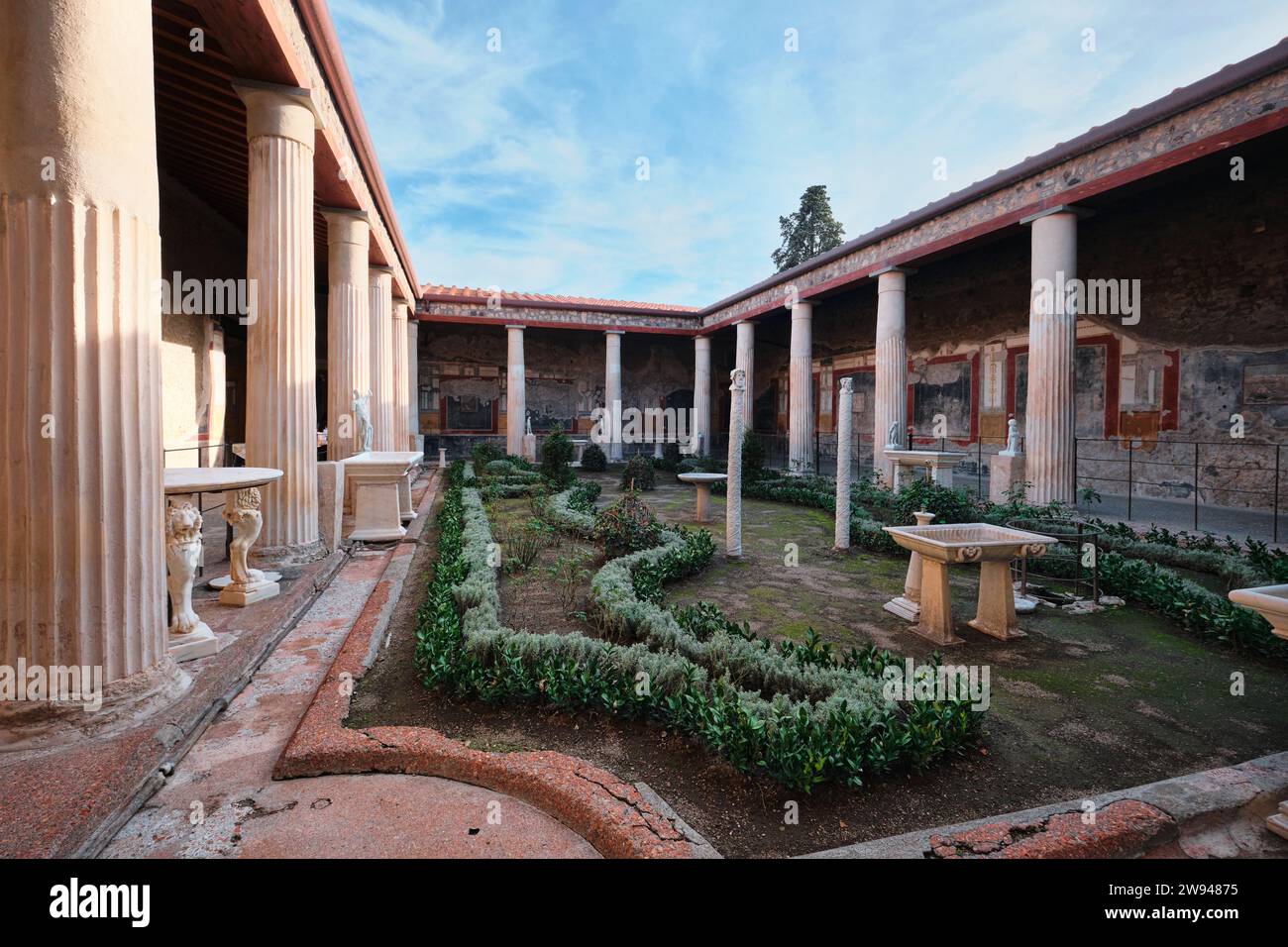
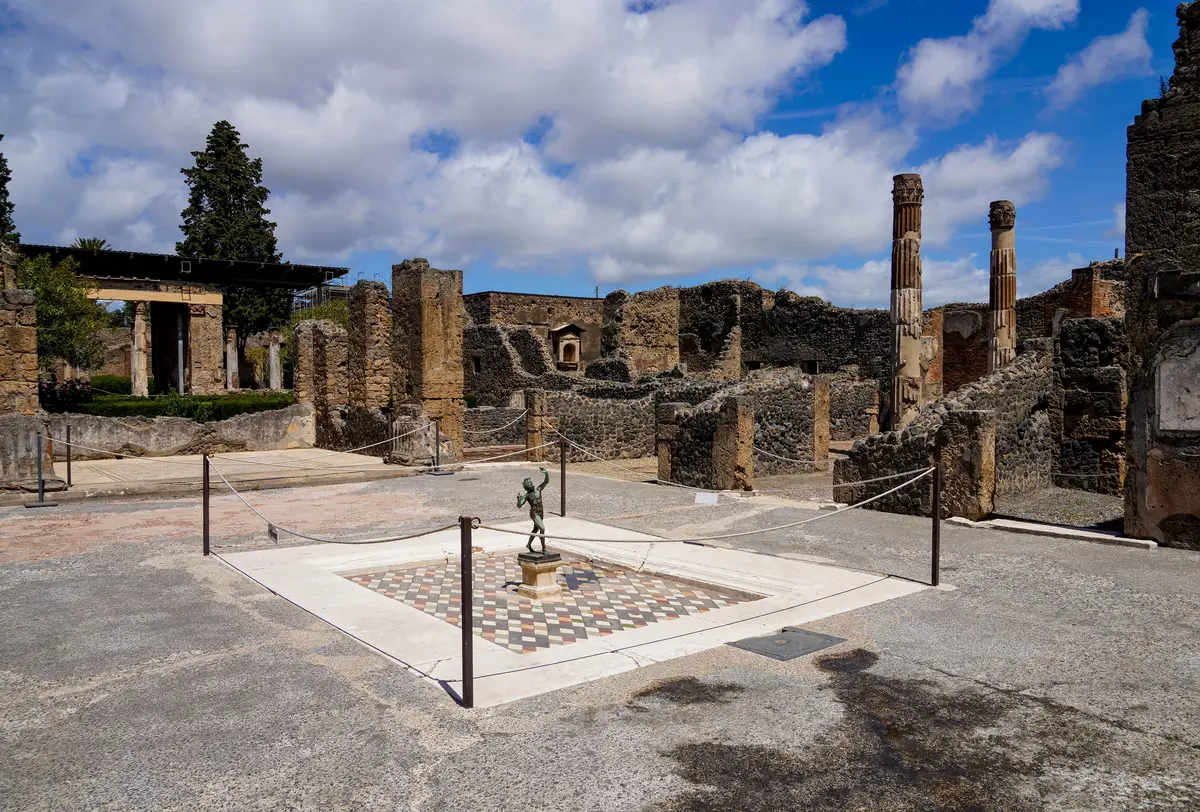
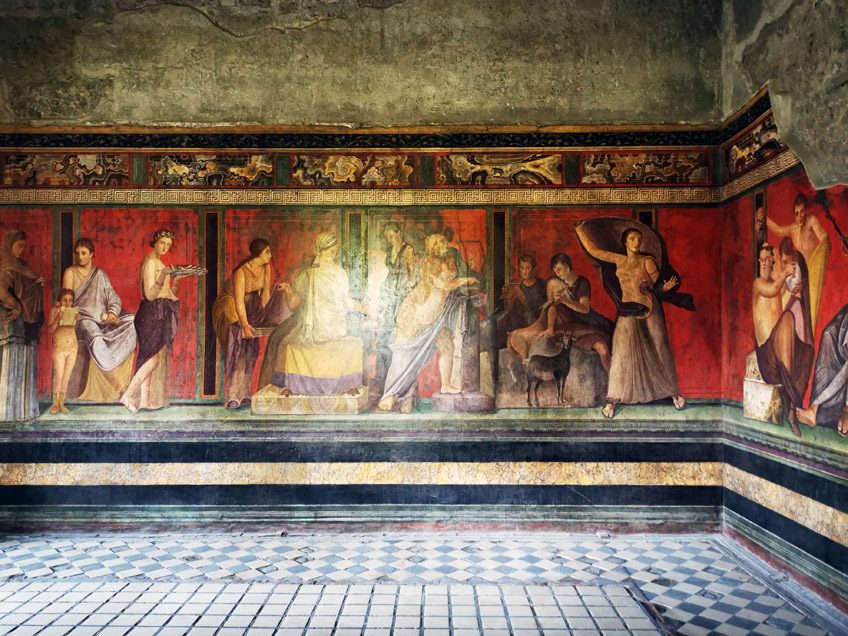
Known for its exceptionally preserved frescoes and atrium architecture. It represents the wealth of Pompeii citizens.
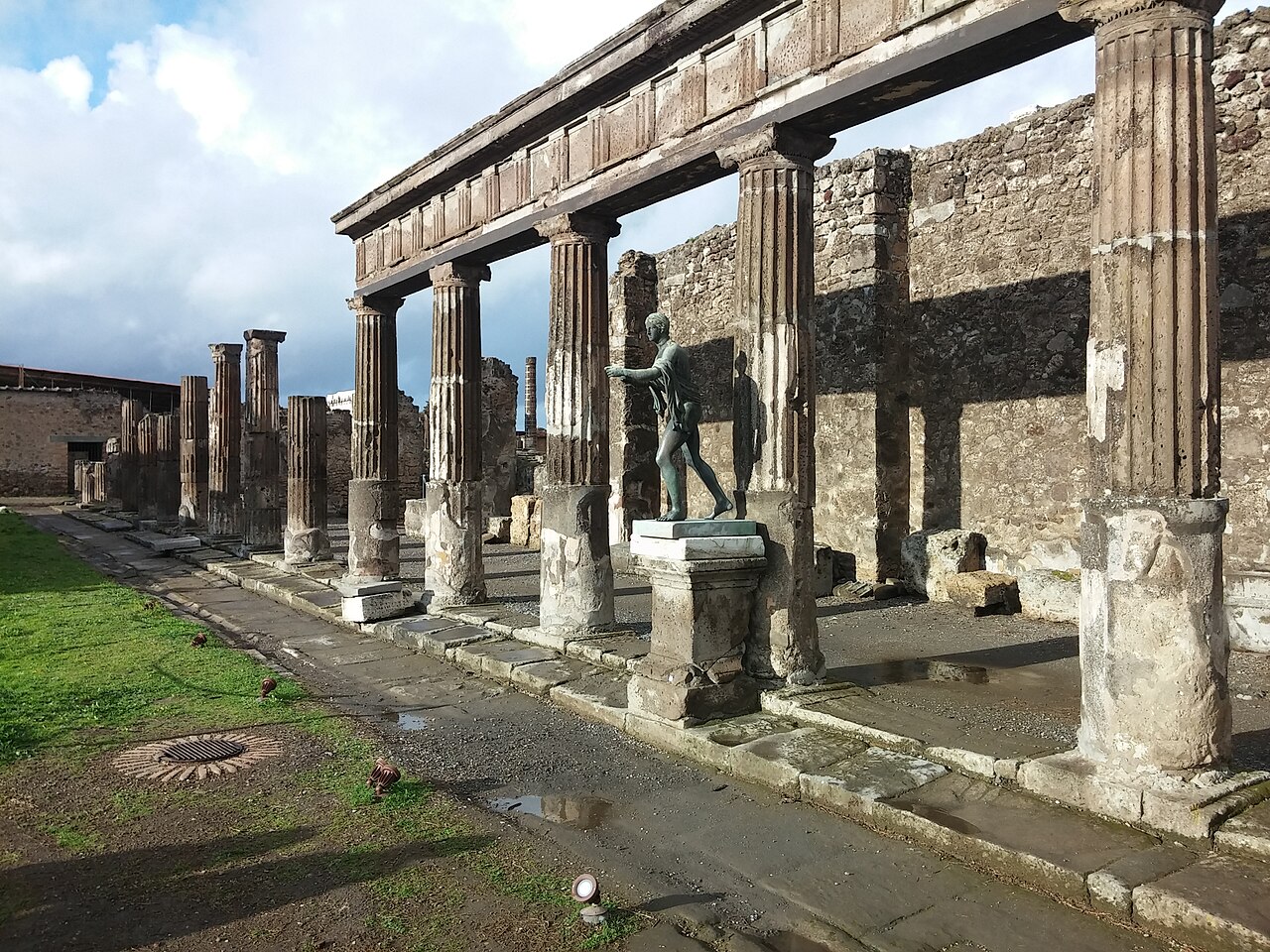
An ancient sanctuary surrounded by 48 tufa columns. It remains one of the oldest buildings on the site.
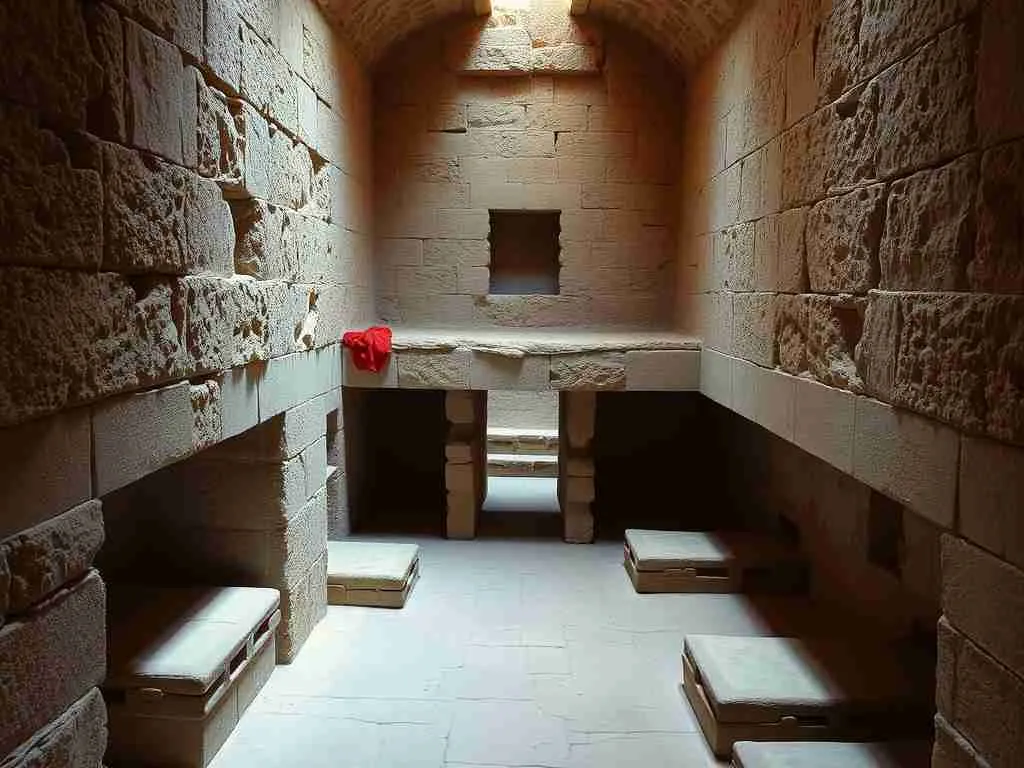
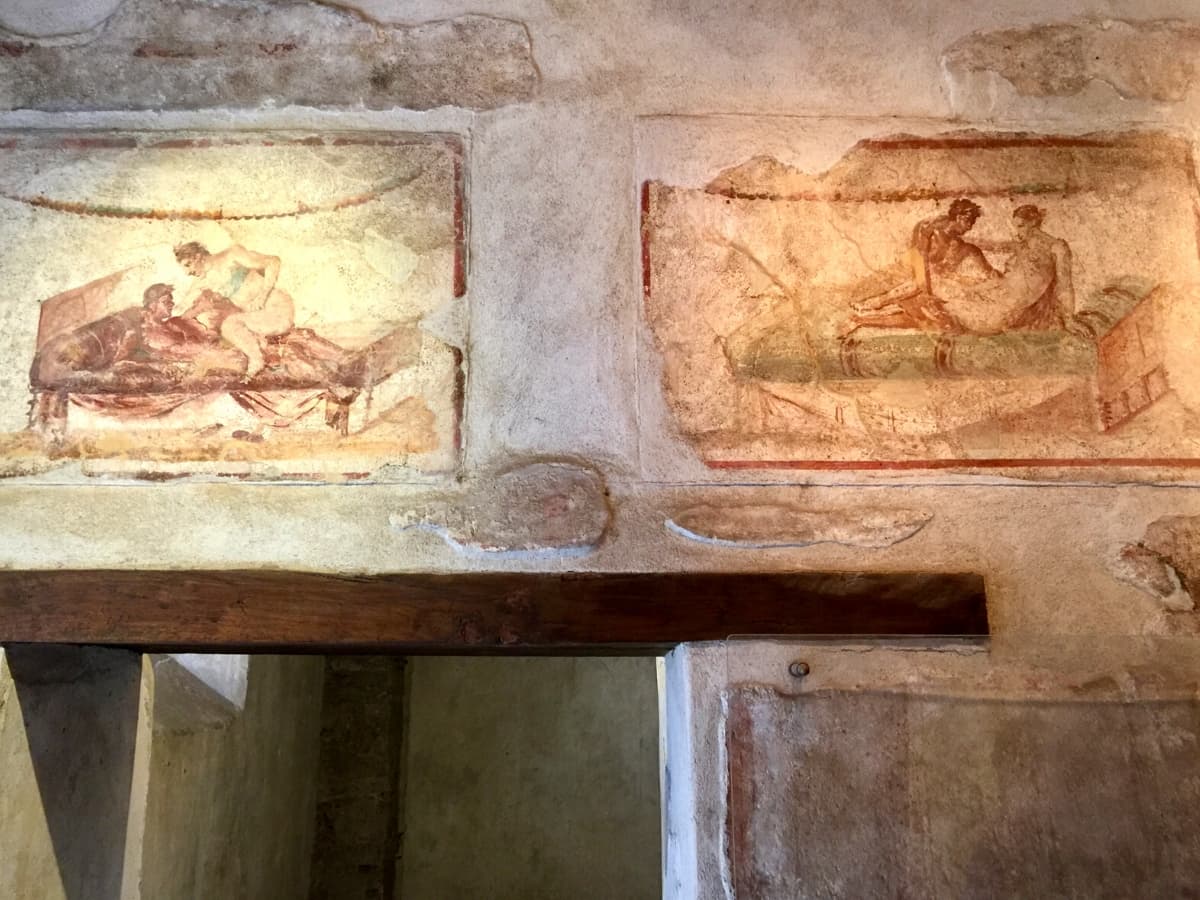
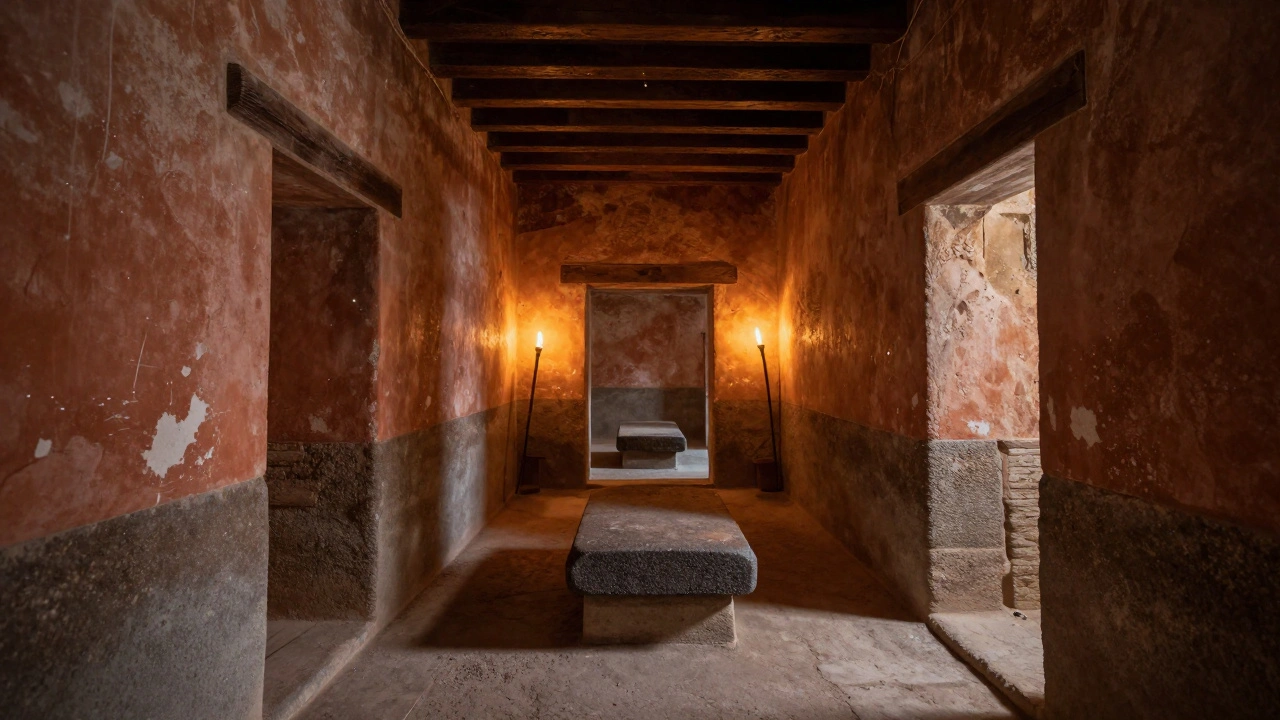
A historic structure featuring stone beds and erotic wall paintings. It provides a glimpse into the ancient city life.
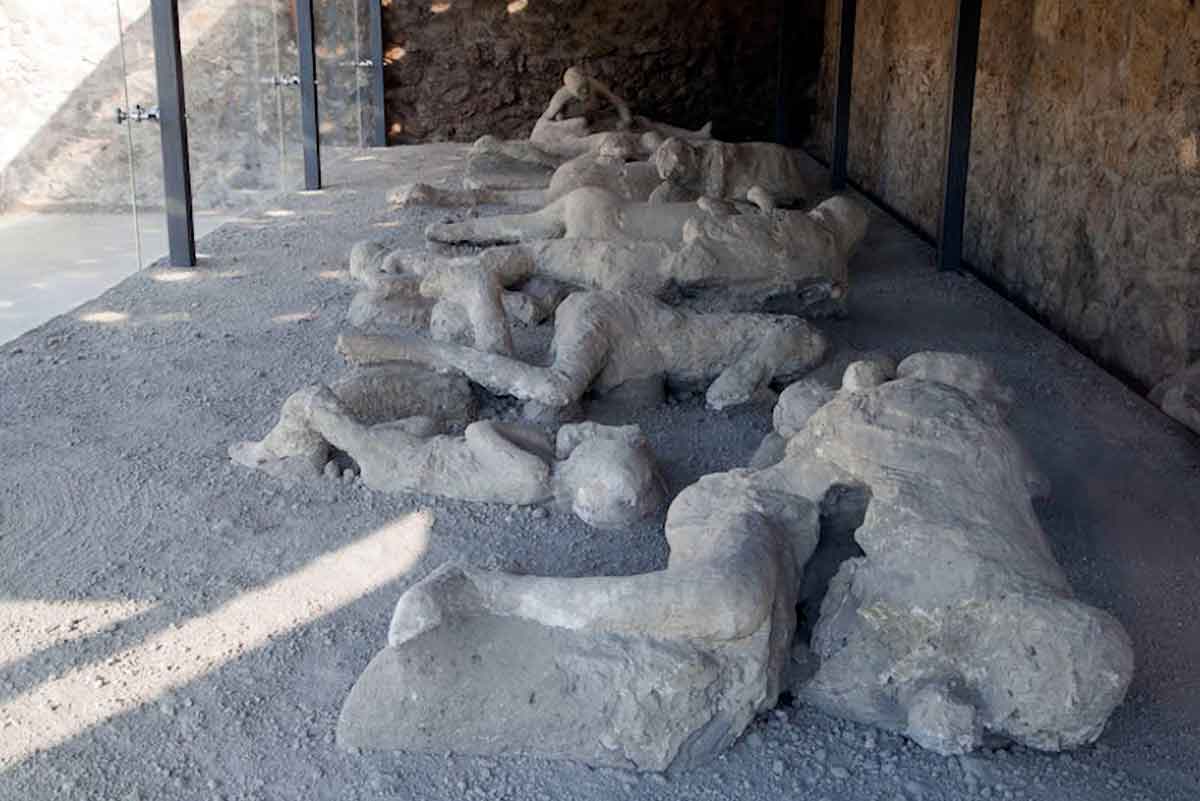
A poignant area where casts of victims were found after the eruption. It serves as a somber reminder of 79 AD.
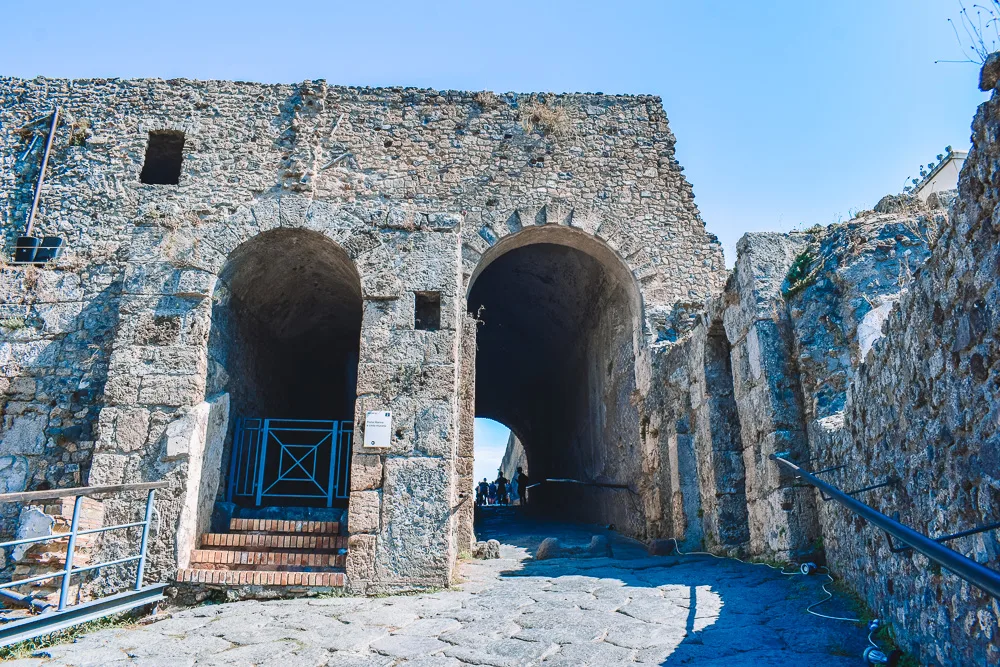
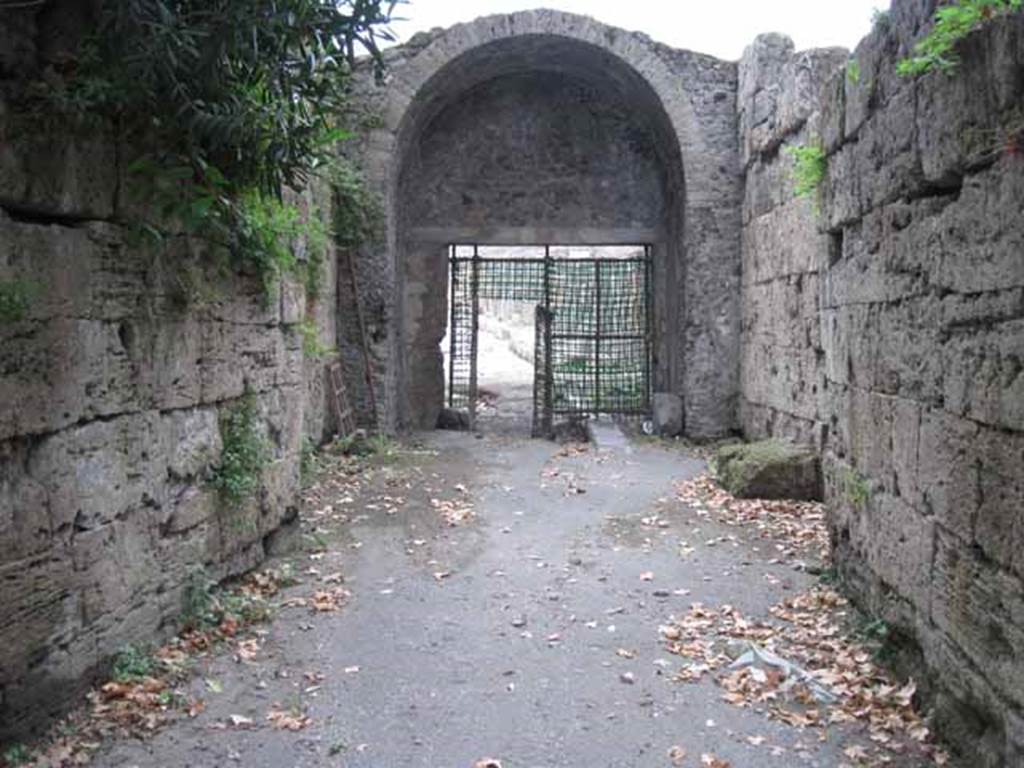
You enter through Porta Marina, the sea gate, where the ramp still slopes the way carts once climbed it. The 20 EUR Pompeii Express ticket covers the ancient city. Arrive between 09:00 and 11:00 and you beat both the midday heat and the coach groups that mass by noon.
You walk the Via dell'Abbondanza east, counting the stepping stones, and you stop at a thermopolium counter where sunken clay jars once held hot food. You duck into the Stabian Baths. You stand a long minute in front of the casts.
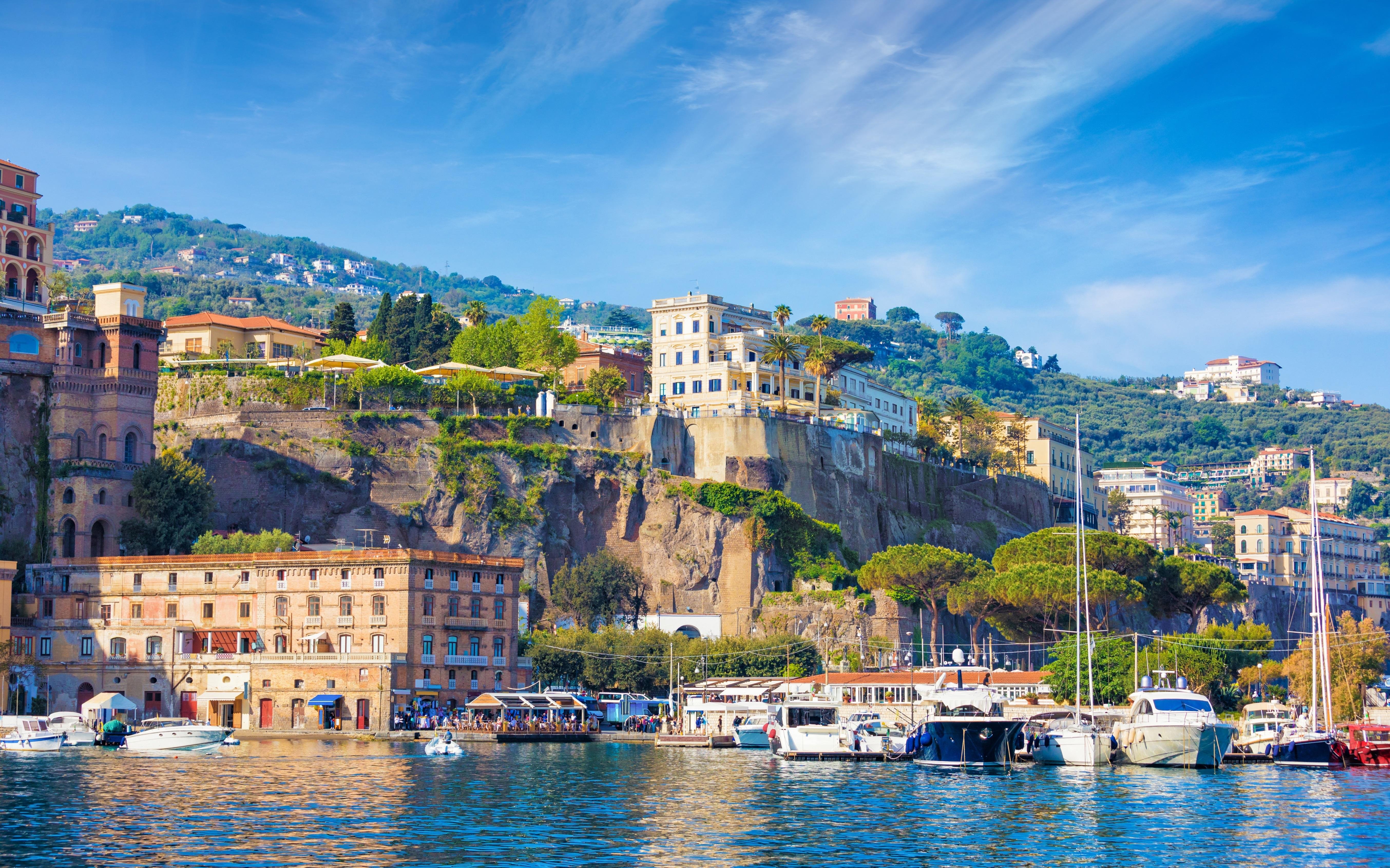
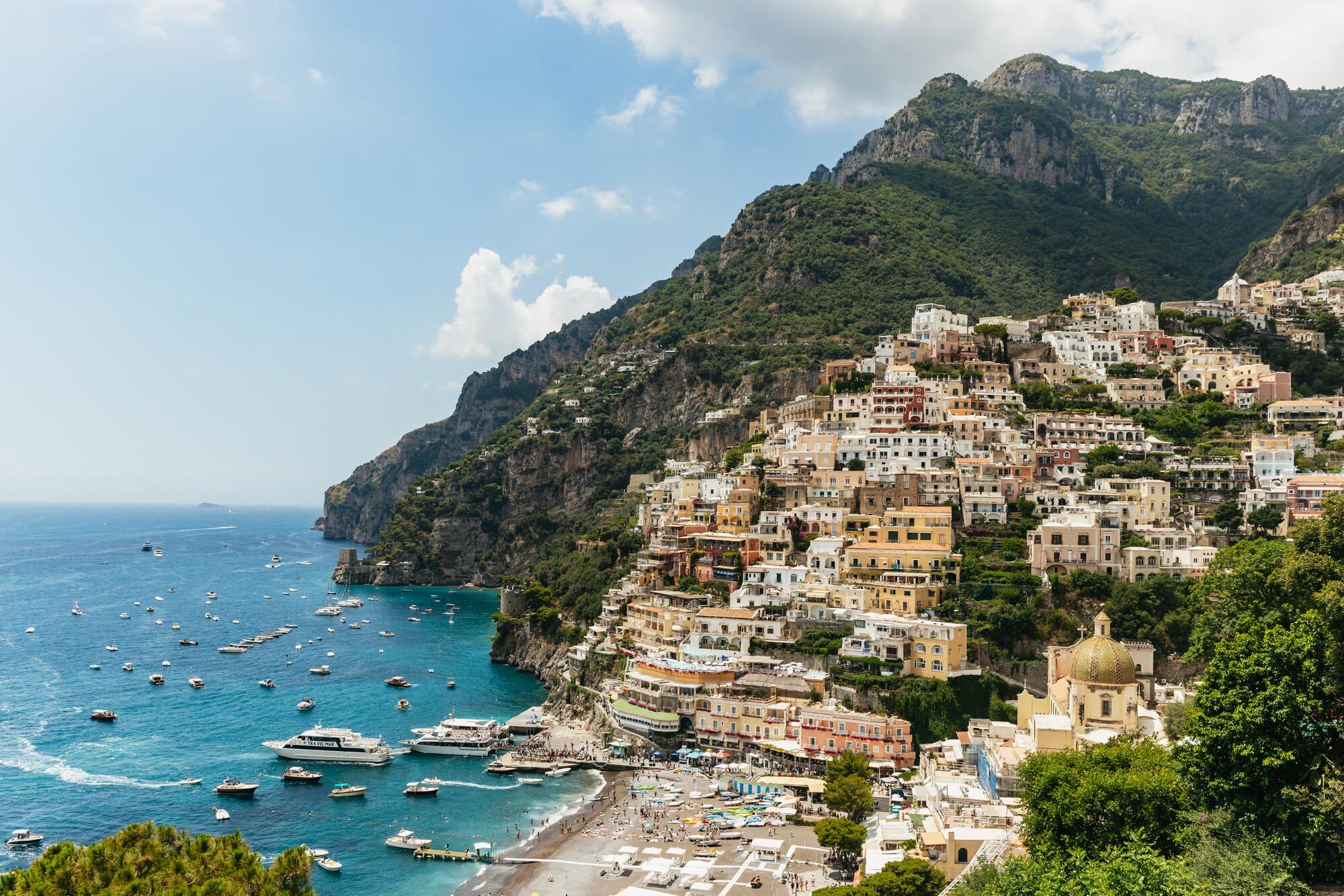
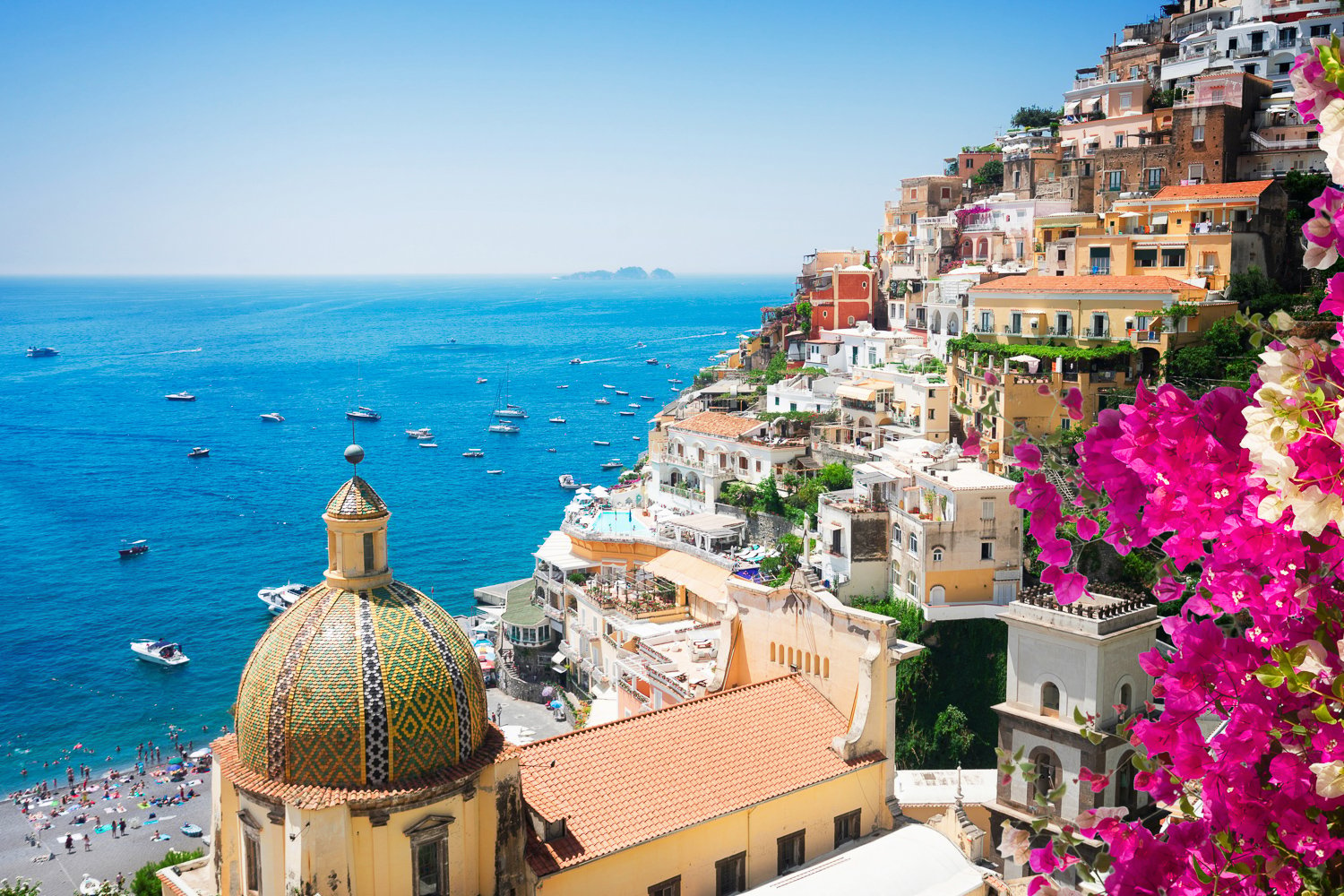
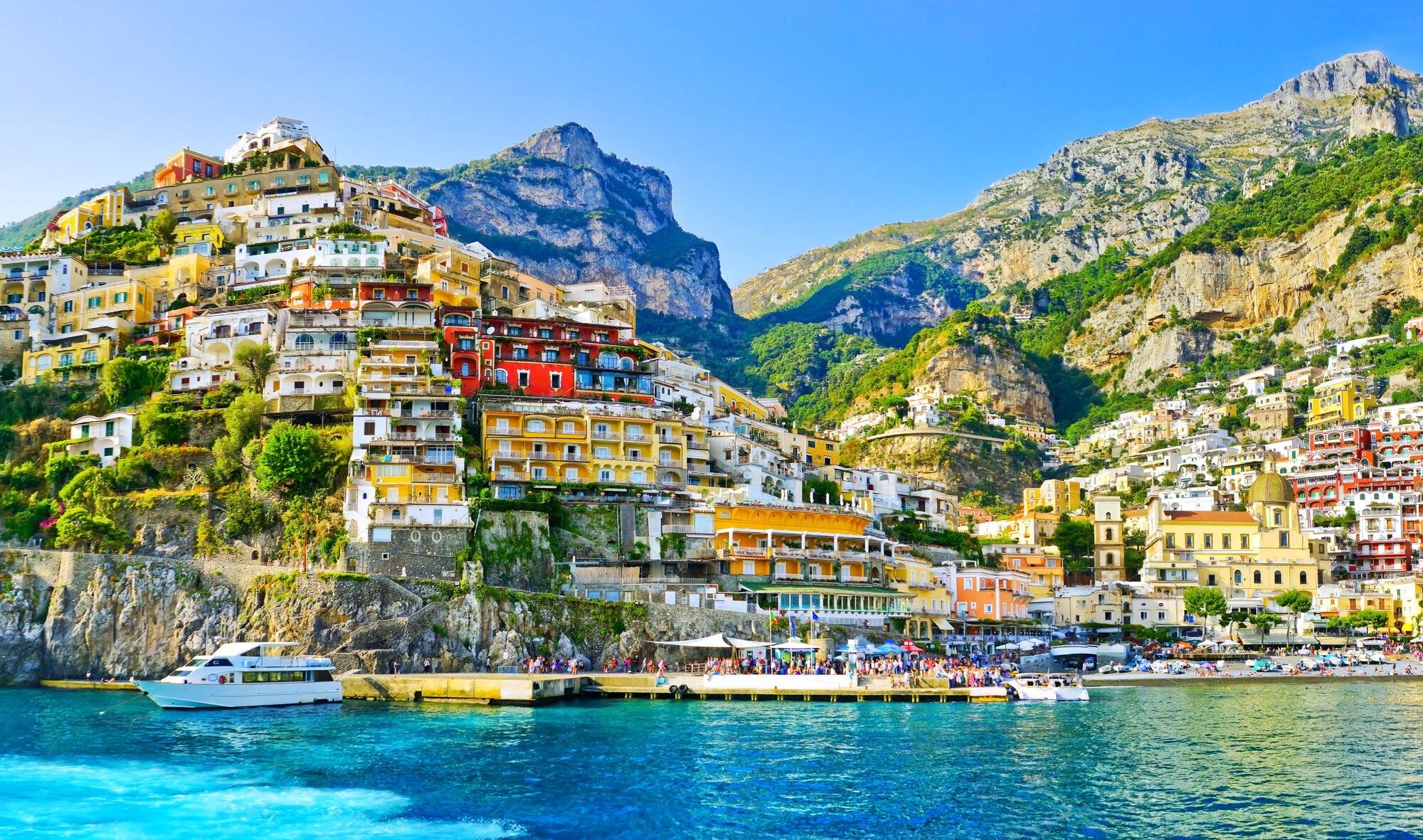
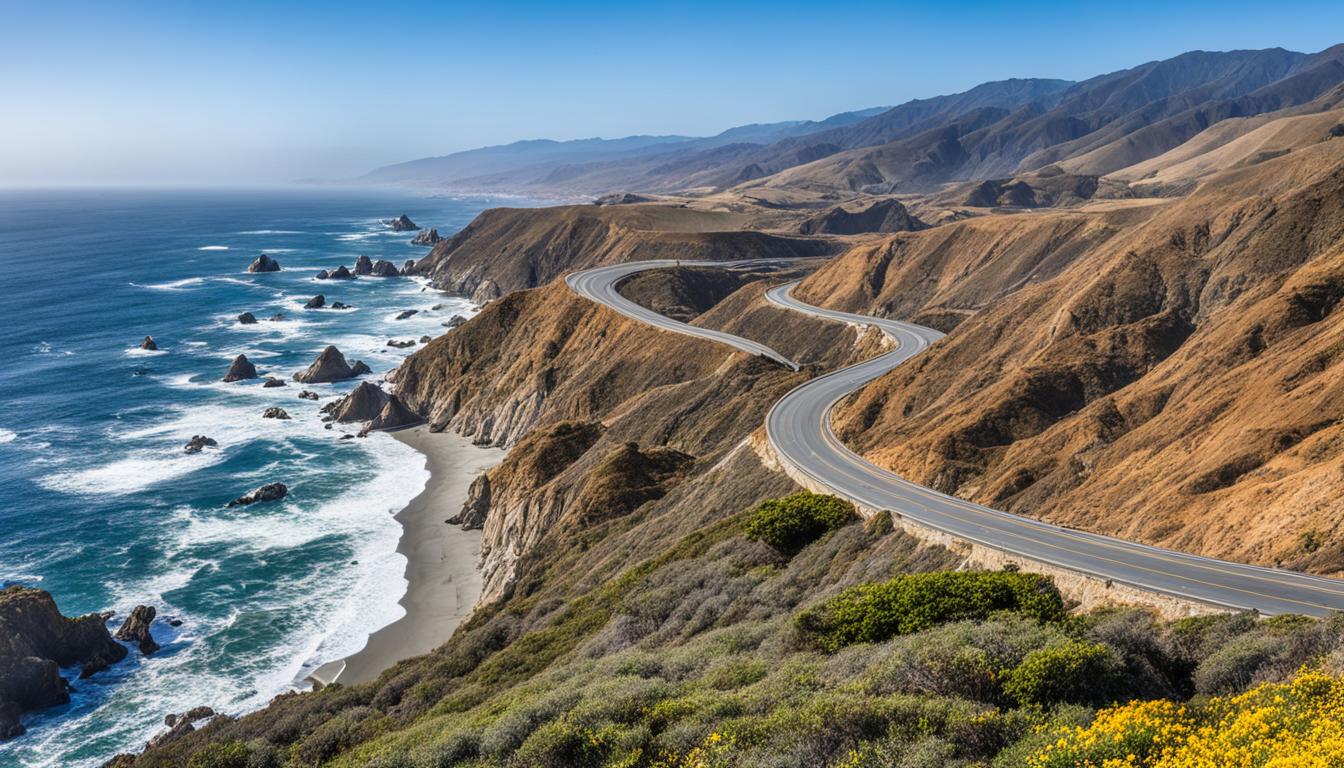
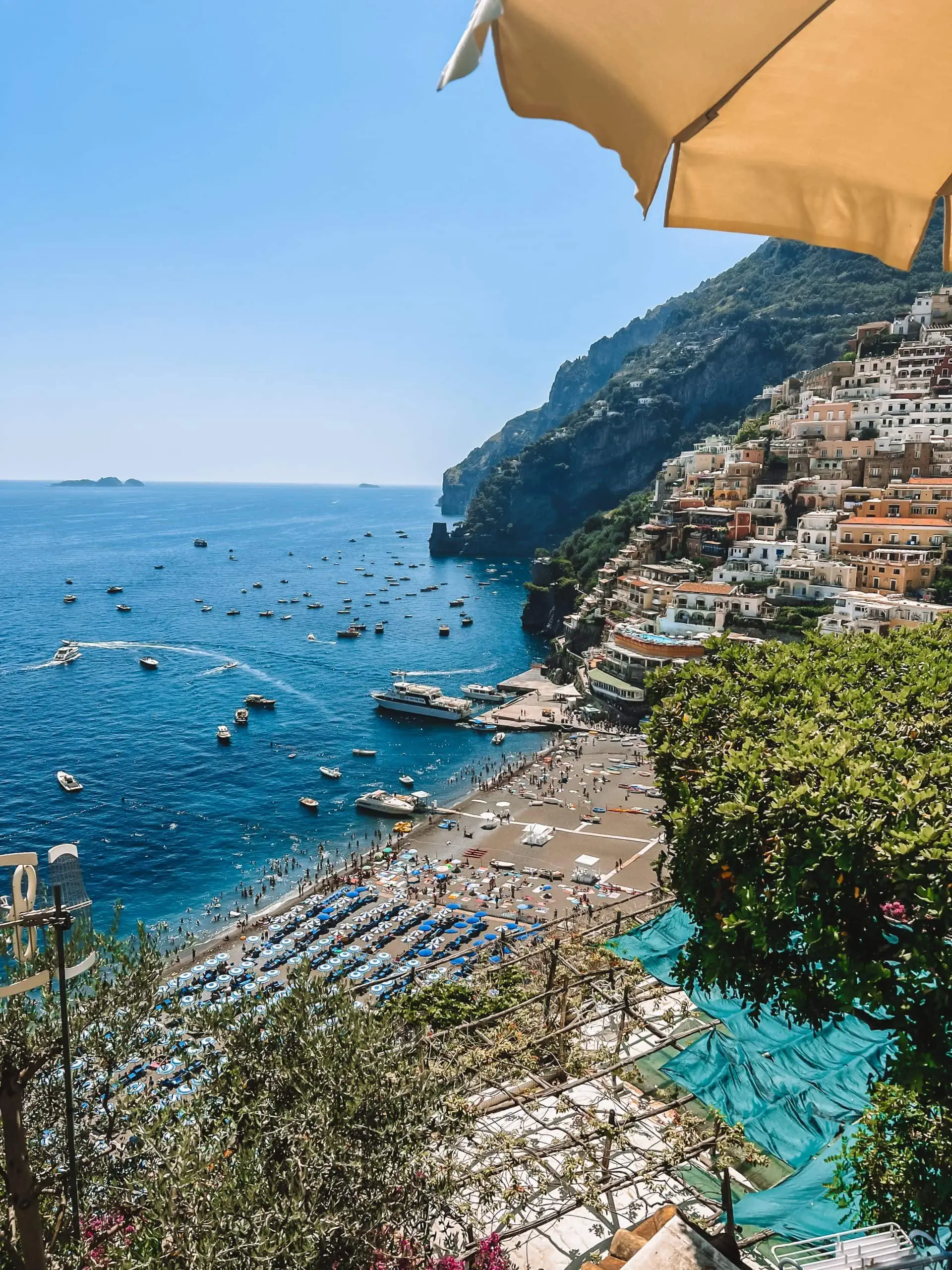
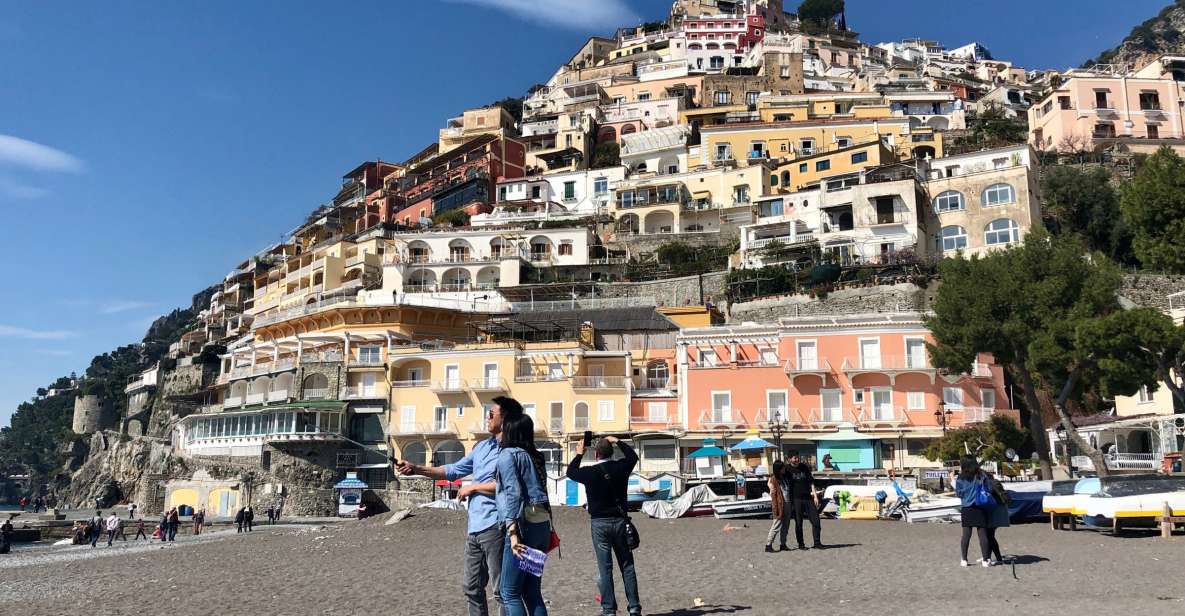
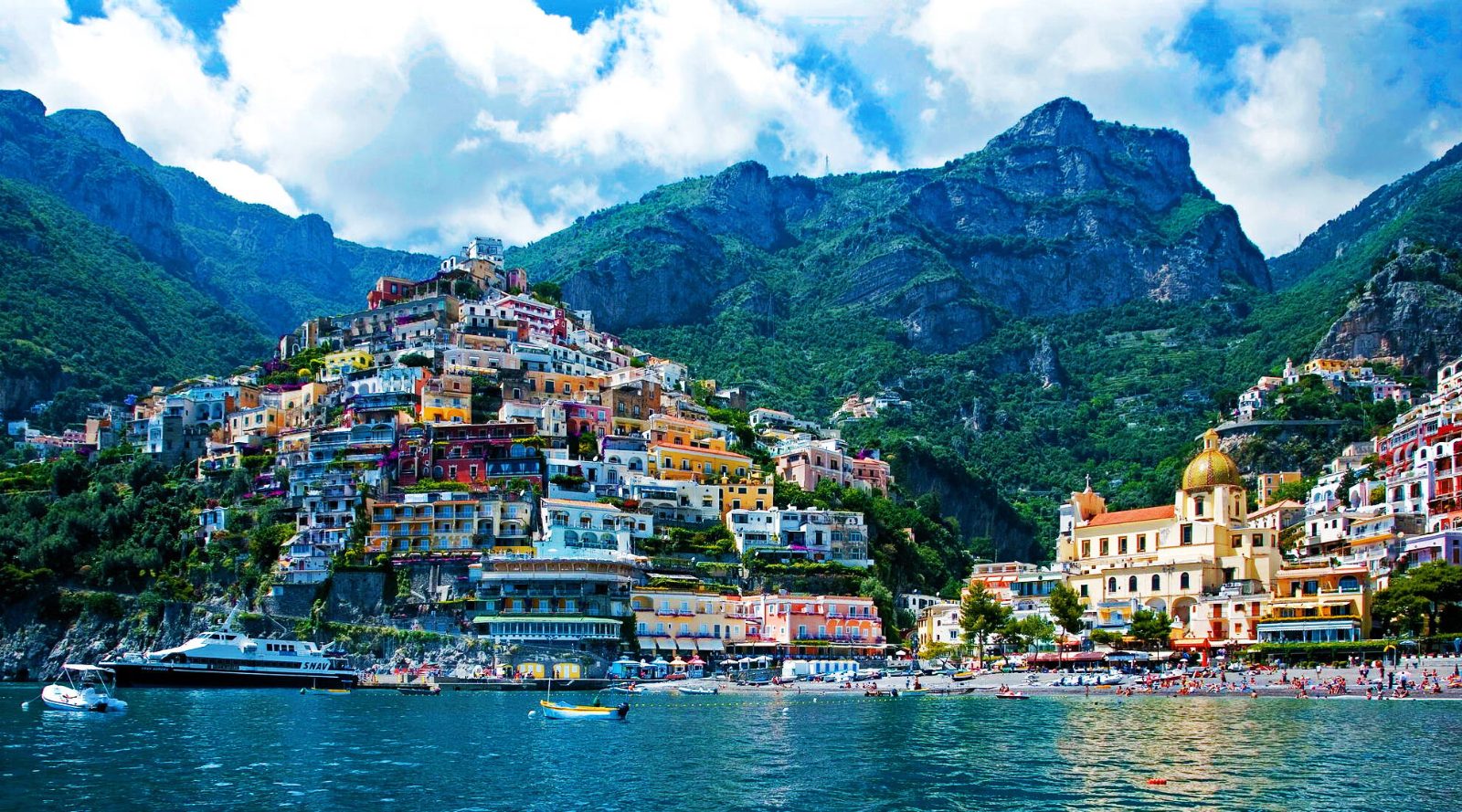
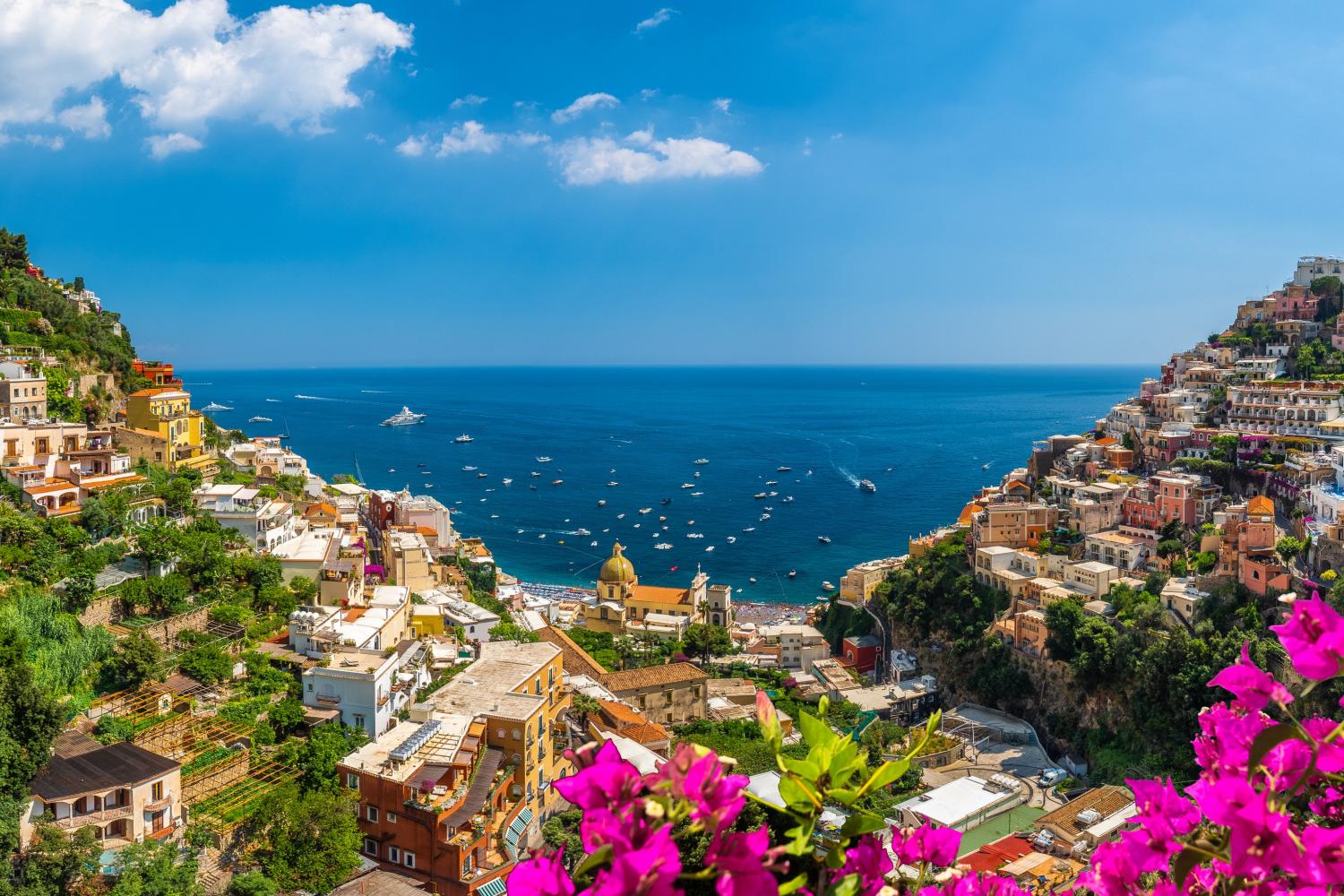
By early afternoon you are on the SS163. The bus leans into the hairpins above Vietri sul Mare and the coastline unspools below. In Positano you descend the stepped lanes rather than drive them — past ceramic shops, under bougainvillea, down to Spiaggia Grande where the domed church tiles catch the light. You order a granita. You watch the ferries turn.
On a pompeii amalfi coast positano tour that ends by boat, you swap the road for the water: mask on, over the side, into a cove the buses never reach. The return leg runs after sunset, so keep a layer in your bag. Confirm your pickup point on your voucher the night before — the ruins and the coast are 60 kilometres apart, and the day only works if you start it on time.
All the details about your upcoming adventure in one place
Pompeii was buried twice. The eruption of Vesuvius in 79 CE sealed it under four metres of pumice and ash; a second burial followed when the site was abandoned for sixteen centuries, its name surviving only as a local field called La Civita.
Systematic excavation began in 1748 under Bourbon rule and has never finished. Roughly a third of the 66-hectare city still lies unexcavated, deliberately left underground for future methods.
A pompeii amalfi coast positano tour joins that buried city to the coastline that watched it die. The distance is short and the contrast is total. Vesuvius stands ten kilometres from the Porta Marina gate; the same volcanic geology that entombed Pompeii built the terraced slopes where Amalfi lemons and Falanghina vines now grow. Campania's landmarks are legible as one system rather than separate stops.
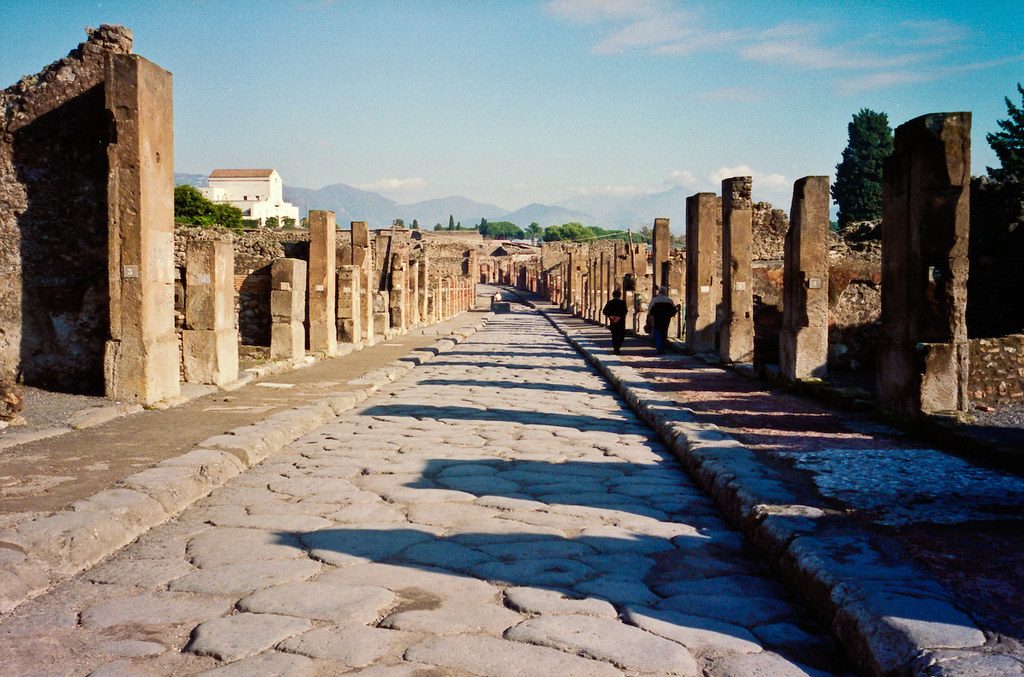
The archaeological park is a UNESCO World Heritage Site alongside Herculaneum and Torre Annunziata, and it remains the most complete Roman city anywhere. Its grid of basalt-paved streets carries chariot ruts worn deep into the stone. Raised stepping stones cross the roadways at intervals, spaced for wheel axles. The Forum, the Stabian Baths, the House of the Faun with its Alexander mosaic, the frescoed Villa of the Mysteries — each preserves a domestic scale that monumental ruins elsewhere cannot offer. Plaster casts made from voids in the ash record the final postures of the dead, a technique devised by Giuseppe Fiorelli in 1863.
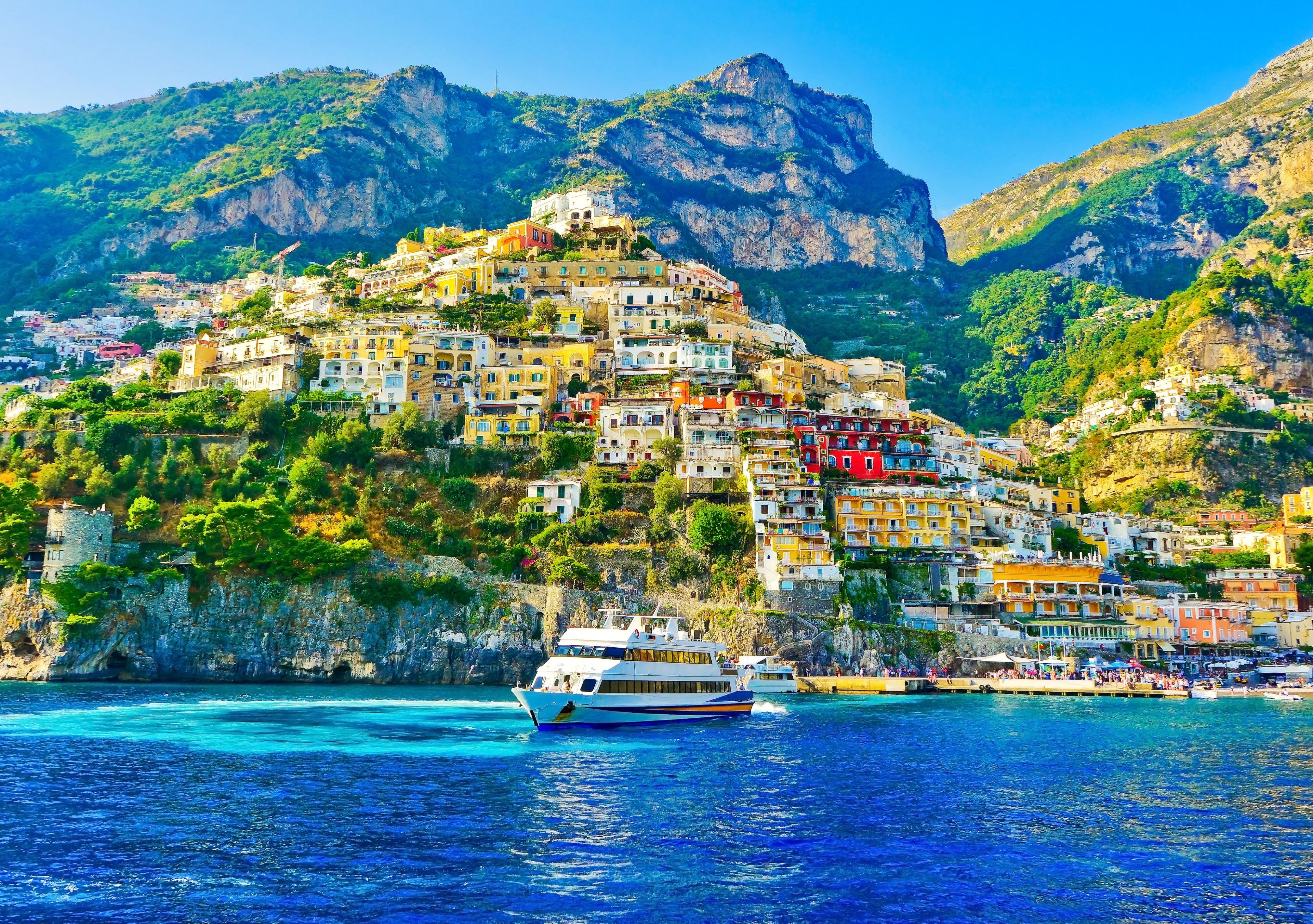
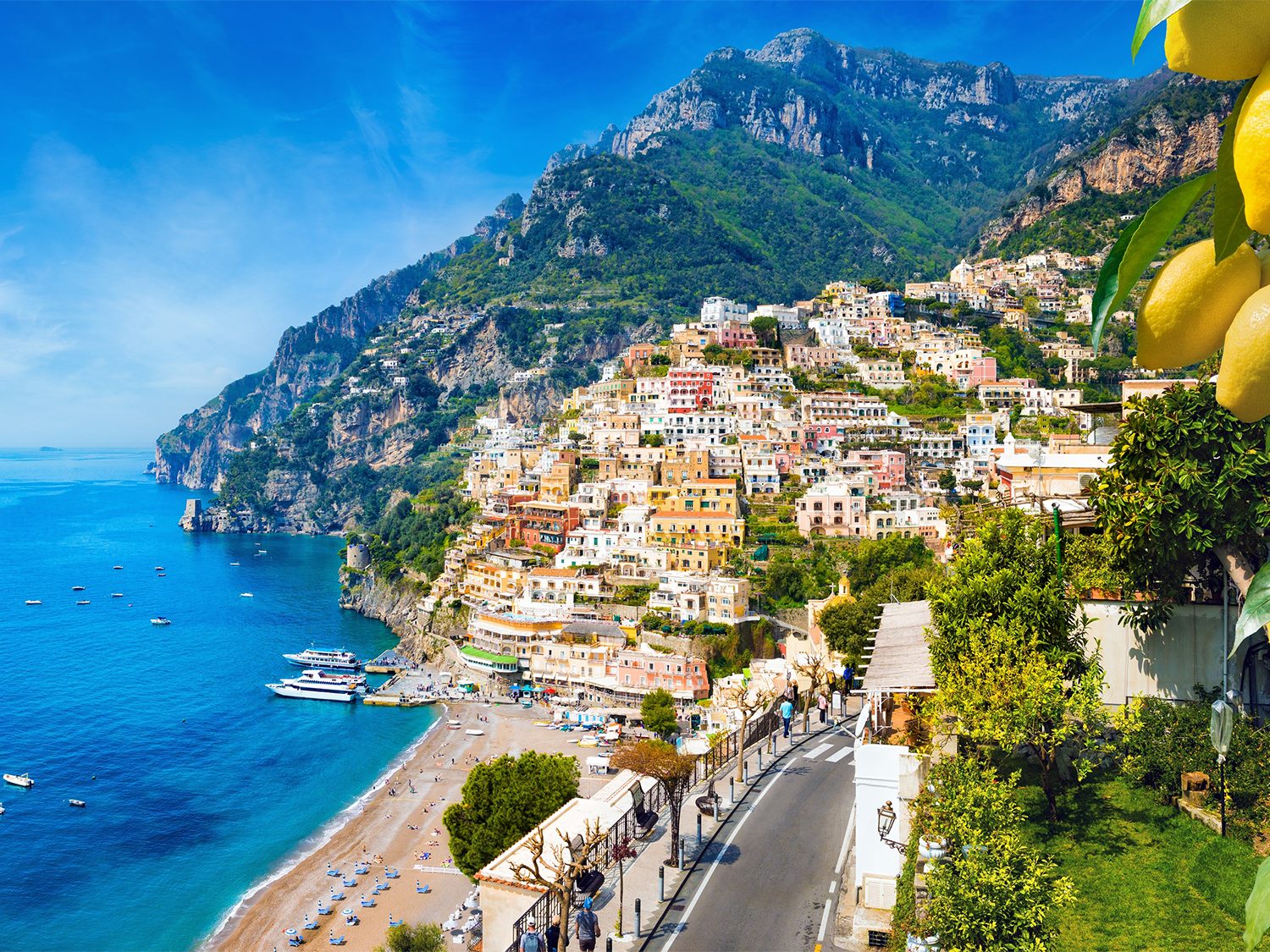
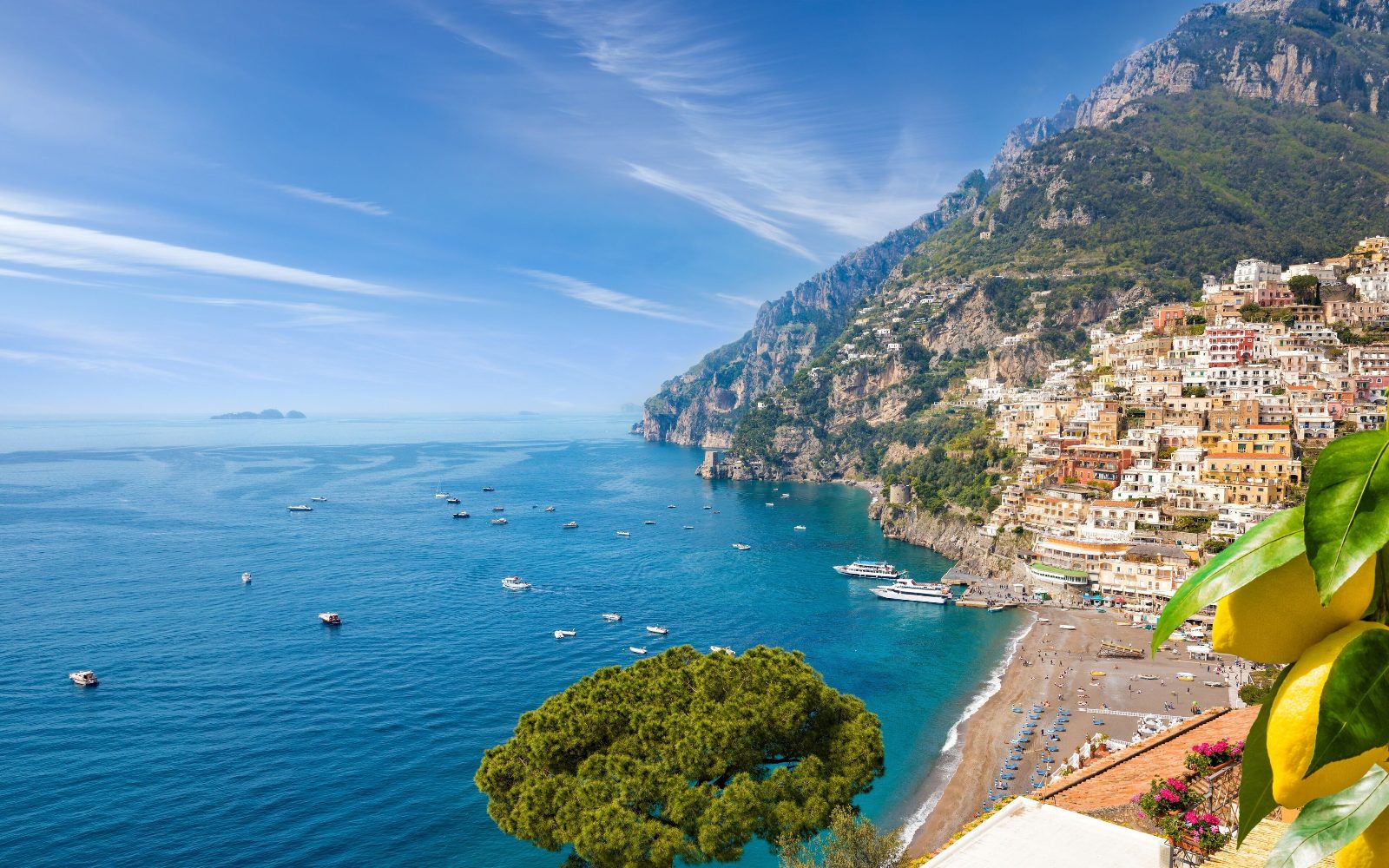
West of the ruins, the Amalfi Coast follows a different logic. Its thirteen towns cling to a limestone wall that drops straight into the Tyrrhenian. Positano rises in tiers of ochre and rose above a pebble beach, its majolica-domed church of Santa Maria Assunta visible from the water. Amalfi, once a maritime republic rivalling Venice, keeps a striped Arab-Norman cathedral at the head of its ravine. The Strada Statale 163, cut into the cliff in the 1850s, threads all of it in a sequence of tunnels and hairpins.
Skip-the-line Pompeii access matters here because time is the binding constraint. Operators building a pompeii amalfi coast positano tour must move guests through excavation, coastline and harbour within a single daylight window. Some routes begin in Rome, others in Naples or Sorrento; several close the day on the water rather than the road. The park itself is open 09:00–19:00 daily, seven days a week, which sets the outer frame for every itinerary on this page.

Roughly a third of Pompeii still lies underground, deliberately left for methods not yet invented.
Wear comfortable walking shoes suitable for uneven ancient cobblestones. Modest clothing is recommended when visiting nearby religious sites on your pompeii amalfi coast positano tour.
Large backpacks and bulky luggage exceeding 30x30x15 cm must be checked at the entrance. Security checks are mandatory for all visitors.
Personal photography is permitted throughout the site. Professional equipment requiring tripods or drones requires prior written authorization.
Strollers are permitted but can be difficult to maneuver on uneven basalt paths. Many families choose to bring lightweight carriers for infants.
Porta Marina is the most accessible entrance for those with limited mobility. A specific 'Pompeii for All' route covers major landmarks.
Picnic areas are designated within the Pompeii Archaeological Park. Only small water bottles and light snacks are allowed inside the main ruins.
Opening Hours
09:00–19:00 daily
Address
Pompeii Archaeological Park, Porta Marina/Piazza Esedra/Piazza Anfiteatro, 80045 Pompei, Italy
Accessibility
Accessible routes available for wheelchair users
Peak Hours
Avoid 09:00–11:00
Storage
Left luggage available at entrances
Site Map
Available at all main gates
Public transport · 45 min · 3 EUR
Take the Circumvesuviana train from Naples to Pompei Scavi station. The entrance is a short walk from the stop.
Car · 1 hour · Variable
Follow the A3 motorway and exit at Pompei Ovest. Parking is available near the Porta Marina entrance.
Cancellations made at least 24 hours in advance receive a full refund. The 20 EUR Pompeii Express ticket fee is non-refundable once activated.
Recommended time
3-4 hours
A well-paced pompeii amalfi coast positano tour requires at least three hours to explore the main forum, amphitheater, and residential villas. Arriving within the 09:00–11:00 window helps you navigate these volcanic ruins before the peak influx of regional day-trippers. Those booking pompeii amalfi coast positano tour tours should account for travel time from coastal hubs, as large groups often congregate near the entrance gates by midday.
Crowd levels through the day
Weather · crowds · average price — dots go green to amber to red as each metric rises.
Mild temperatures and blooming landscapes make this an ideal time for your pompeii amalfi coast positano tour. Expect moderate crowds compared to summer.
High temperatures occur during July and August. Arrive early to avoid the midday heat while exploring the Pompeii ruins.
Comfortable weather persists through October. This period offers beautiful light for photography along the Amalfi Coast.
Cooler temperatures and shorter days. Fewer crowds make for a more peaceful experience at historical sites.
Use the public fountains located throughout the park to refill your bottle. This is essential during a warm pompeii amalfi coast positano tour.
Prioritize grip as the volcanic stone streets become slippery. Avoid sandals with poor support.
Download the official map from the official site before your visit. This helps you navigate the ancient city efficiently.
Keep your 20 EUR Pompeii Express ticket accessible at all times for potential checks. Do not discard it until you exit.
If visiting during peak season, plan your exploration of the Pompeii site for the morning arrival window. This allows you to finish before midday heat.
Pompeii was not born Roman. Oscan settlers founded it in the 7th century BC; Samnites held it later. Rome absorbed the town in 80 BC as a colony under Sulla, renaming it Colonia Cornelia Veneria Pompeianorum. Prosperity followed the wine and garum trade. Then, on 5 February AD 62, an earthquake shattered temples and aqueducts. Repairs were still unfinished seventeen years on — a detail visible today in half-rebuilt walls that any pompeii amalfi coast positano tour passes without comment. The eruption of Vesuvius came in AD 79, traditionally dated 24 August, though carbonised graffiti uncovered in 2018 argues for October. Pliny the Younger, watching from Misenum, described the column of ash in two letters to Tacitus; his uncle Pliny the Elder died at Stabiae. Pyroclastic surges buried the city under roughly six metres of lapilli and ash. Herculaneum, Oplontis and Stabiae vanished with it. The Sarno plain fell silent for sixteen centuries. Rediscovery was slow and often destructive. Domenico Fontana's water channel cut through the ruins in 1592 without recognition. Charles of Bourbon financed tunnelling from 1748, largely for statuary. Giuseppe Fiorelli, director from 1863, imposed order: he divided the site into nine regiones, excavated from above rather than sideways, and devised the plaster-cast technique that captured the voids left by bodies. Amedeo Maiuri directed work from 1924 to 1961, exposing the Villa dei Misteri frescoes. Allied bombs struck the site in 1943; the Schola Armaturarum collapsed in 2010, prompting the Great Pompeii Project. What survives — the amphitheatre of 70 BC, the Forum, the Lupanar, the House of the Faun — is why the archaeological park anchors nearly every Pompeii Amalfi Coast Positano tour tour sold in Campania. Positano's cliffside terraces and Amalfi's maritime republic form the second act. Book pompeii amalfi coast positano tour tickets and Campania landmarks read as one continuous record; most pompeii amalfi coast positano tour tours pair the excavations with that coastline for exactly this reason.
Oscan settlers establish the first fortified town on the Sarno plain lava spur.
Sulla converts Pompeii into a Roman colony named Colonia Cornelia Veneria Pompeianorum.
A severe earthquake damages temples, baths and the aqueduct; repairs remain unfinished in 79.
Vesuvius erupts, burying Pompeii under some six metres of lapilli and ash, as recorded by Pliny the Younger.
Domenico Fontana's canal cuts through buried structures without the ruins being identified.
Charles of Bourbon funds the first organised excavations, driven largely by the hunt for statuary.
Giuseppe Fiorelli introduces the regiones grid, stratigraphic digging and the plaster-cast method.
The Schola Armaturarum collapse in 2010 triggers the EU-funded Great Pompeii Project restoration programme.
Position yourself at the entrance to frame the long rows of brick columns leading toward the Vesuvius backdrop. This location is a staple of a classic pompeii amalfi coast positano tour for capturing the architectural scale of the forum area.
Capture the bronze faun statue replica centered against the backdrop of the peristyle garden. This spot offers depth and geometric symmetry which appeals to those looking for high-quality pompeii amalfi coast positano tour tours photography.
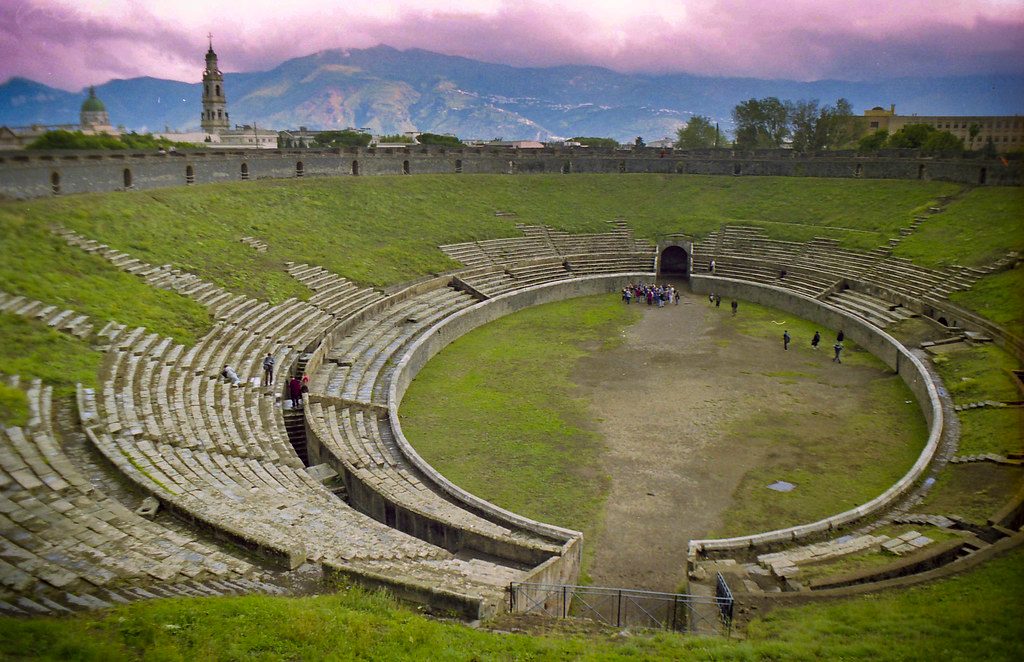
Stand at the upper tier to get a panoramic view of the ancient arena oval. Many visitors on a Pompeii Amalfi Coast Positano tour find this angle perfect for showing the massive capacity of the structure.
Frame the stone doorways and preserved frescoes within this distinct sector. It provides a moody aesthetic for those booking pompeii amalfi coast positano tour tickets.
Shoot down the length of this main thoroughfare to catch the interplay of light on ancient paving stones with Mount Vesuvius looming in the distance. This is a central point for any pompeii amalfi coast positano tour tour of the archaeological site.
Navigating a Pompeii Amalfi Coast Positano tour with children requires careful planning to manage the heat and rugged terrain. This historic site remains a unique educational experience for families when approached with realistic pacing.
The uneven basalt stone roads make standard strollers difficult to maneuver; a high-quality child carrier is strongly recommended for this Pompeii archaeological excursion.
The site offers little shade, so visit during the 09:00–11:00 arrival window to protect young children from the intense August sun.
Baby-changing stations are limited, so ensure your diaper bag is fully stocked before entering the Pompeii Archaeological Park at Porta Marina or Piazza Esedra.
Young children often fatigue quickly; plan for frequent breaks to rest in designated areas while using your pompeii amalfi coast positano tour tickets to pace your exploration of the ruins.
Keep children hydrated by utilizing the public water fountains found throughout the site as you complete your pompeii amalfi coast positano tour tours.
For those booking a comprehensive pompeii amalfi coast positano tour tour, confirm that your transport provider can accommodate car seats for younger passengers.
Dining options during your pompeii amalfi coast positano tour range from convenient park-side cafes to coastal trattorias. Visitors can find diverse local flavors near the excavation gates or in the bustling town centers of Positano and Sorrento.
Located within the park, offering meals inspired by ancient Roman culinary traditions and local Campania ingredients.
A relaxed spot located a short distance from the Pompeii entrance, known for seasonal, traditional regional cuisine.
A iconic beachside institution in Positano famous for its nautical theme and regional pasta and seafood dishes.
A highly regarded, family-friendly restaurant in upper Positano known for its warm service and high-quality local dishes.
A standout establishment in Sorrento offering sophisticated preparation and presentation of regional classics.
Everything you need to know for your journey
The Pompeii Archaeological Park is open daily from 09:00–19:00.
A standard Pompeii Express ticket for the ancient city is 20 EUR per person.
The best arrival window is 09:00–11:00 to avoid heat and large crowds.
Yes, bags larger than 30x30x15 cm must be left at the secure storage area at the entrance.
Yes, the 'Pompeii for All' path offers accessible routes for wheelchair users.
Only small snacks and water are permitted inside; picnic areas are available outside the ruins.
Wear comfortable shoes for uneven stone streets and modest clothing for the trip.
Yes, families are welcome, though strollers may be difficult on the ancient basalt paths.
Yes, personal photography is permitted, but professional gear requires prior approval.
Take the Circumvesuviana train from Naples to the Pompei Scavi station near the park entrance.
Features famous frescoes depicting ancient rites.
A central religious site overlooking the Roman Forum.
Well-preserved ancient brothel with stone beds.
The heart of political life in the ancient city.
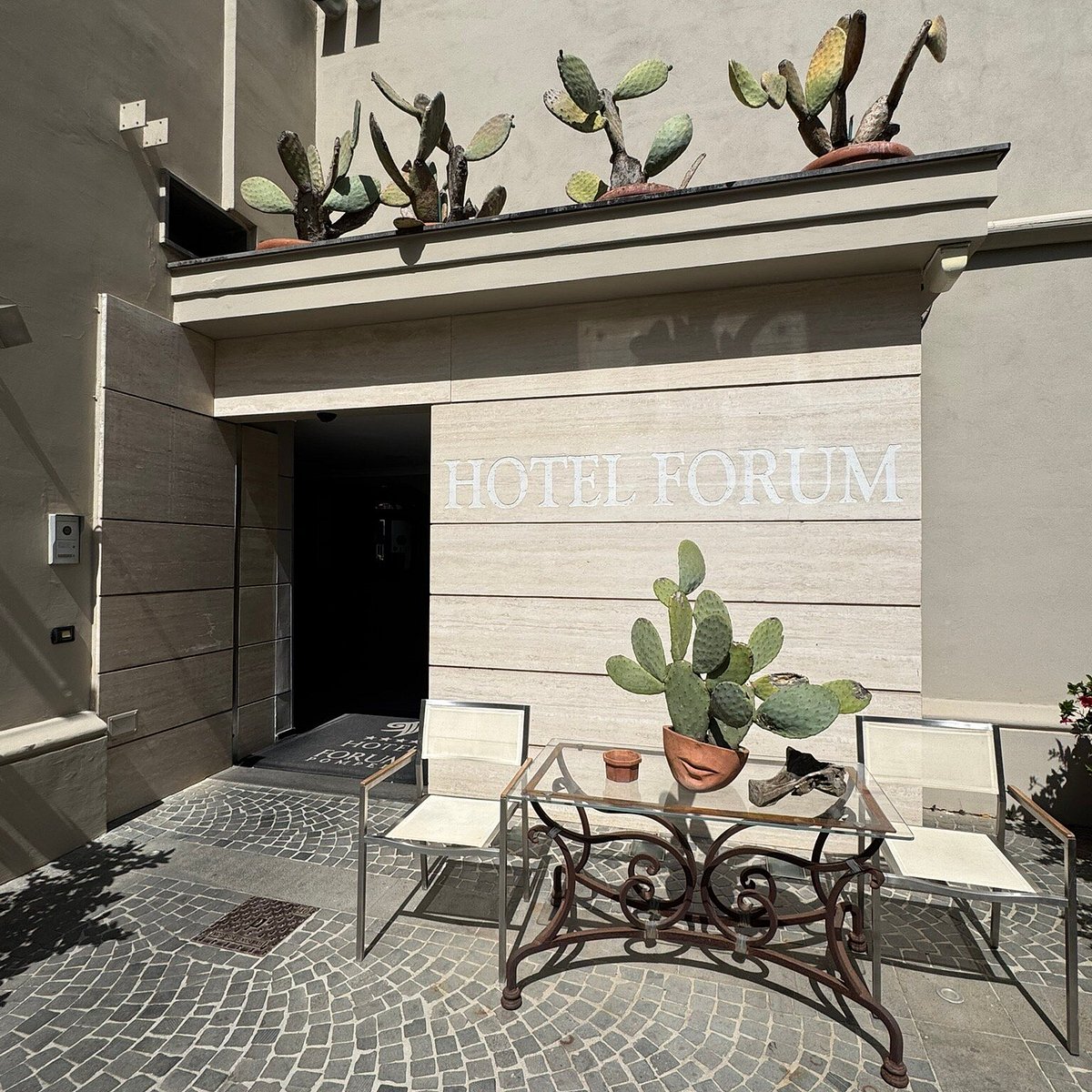
Historical hotel located near the entrance.
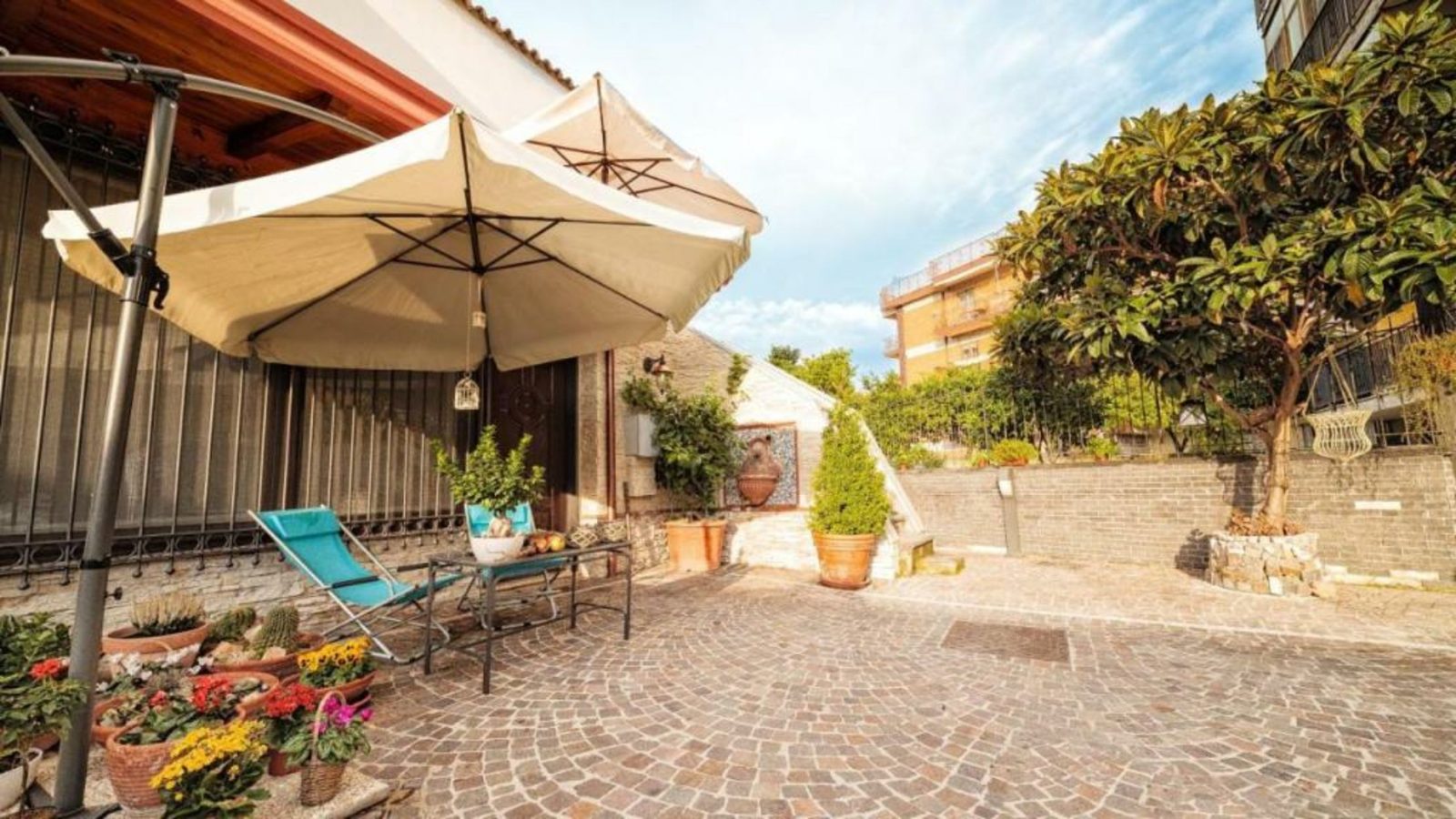
Modern rooms close to the archaeological park.
Central area offering various guest houses.
Join thousands of happy travelers who have discovered this incredible experience
Book Your Experience Now